
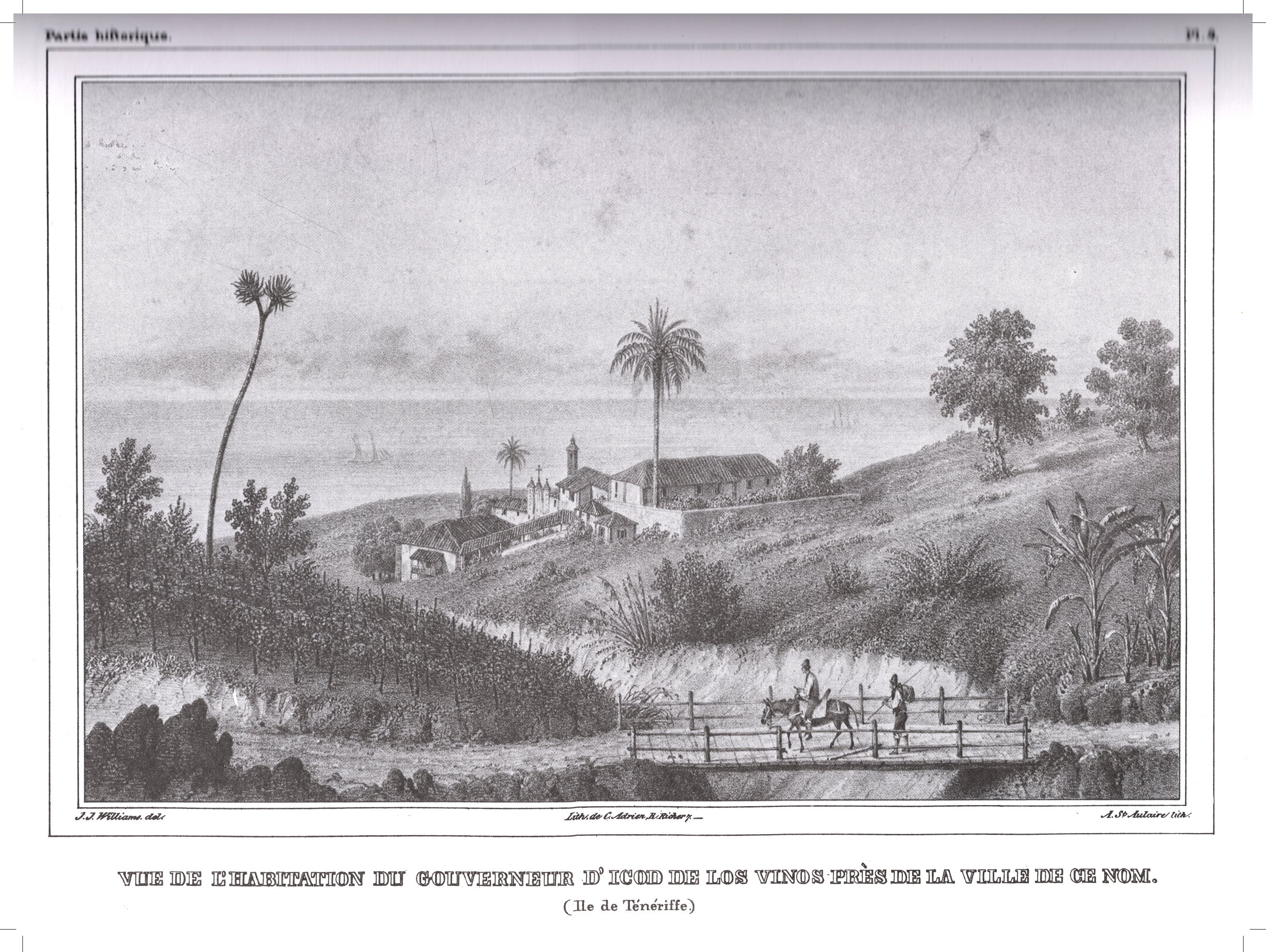
To understand its essence, we must go back more than five centuries. Icod formed part of the ancient Guanche menceyato of Icoden, one of Tenerife’s pre-Hispanic kingdoms, ruled by the menceyes Chinchanairo and Pelicar until the Castilian conquest in 1496. After the arrival of settlers—mainly Portuguese—the territory became a prosperous agricultural region, renowned ever since for its wines.
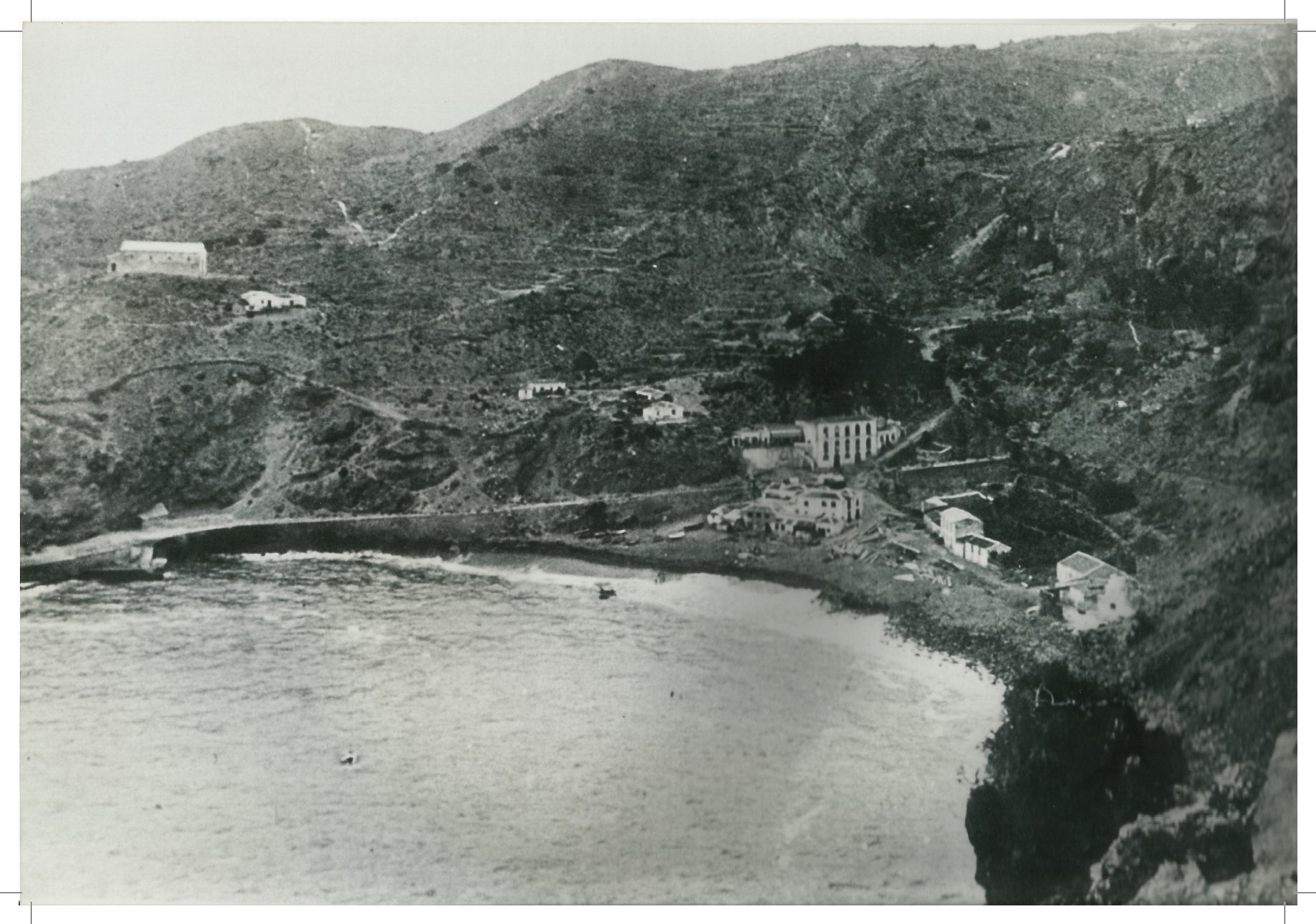
From the 16th century onward, Icod de los Vinos stood out for its wine production—the origin of its name. The Parish of San Marcos was founded in 1515, and the town’s own maritime activity spurred growth. The 17th and 18th centuries brought prosperity through trade with the Americas, despite epidemics, eruptions, and major fires. In 1768, the first elected town council was formed, consolidating its civic structure.
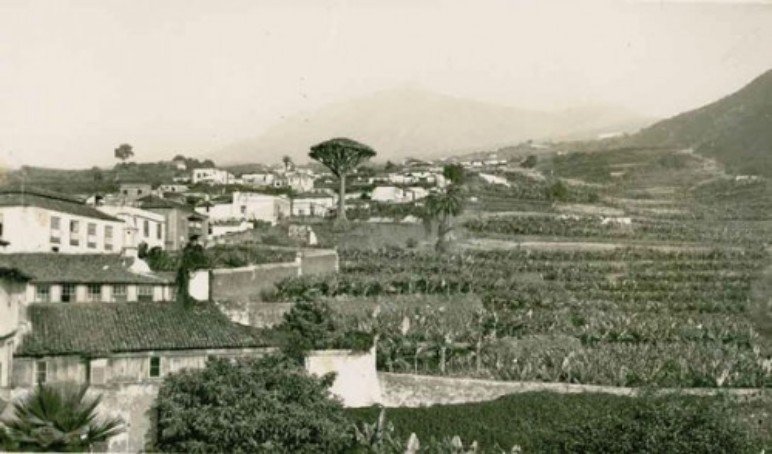
In the 19th century, Icod officially became an independent municipality and strengthened its economic structure. The municipal cemetery opened, and the first local newspapers appeared. In the 20th century, it earned the title of city (1919) and modernized with urban improvements driven by tourism. The Millenary Dragon Tree was declared a National Monument, and the historic quarter received Heritage of Cultural Interest status.
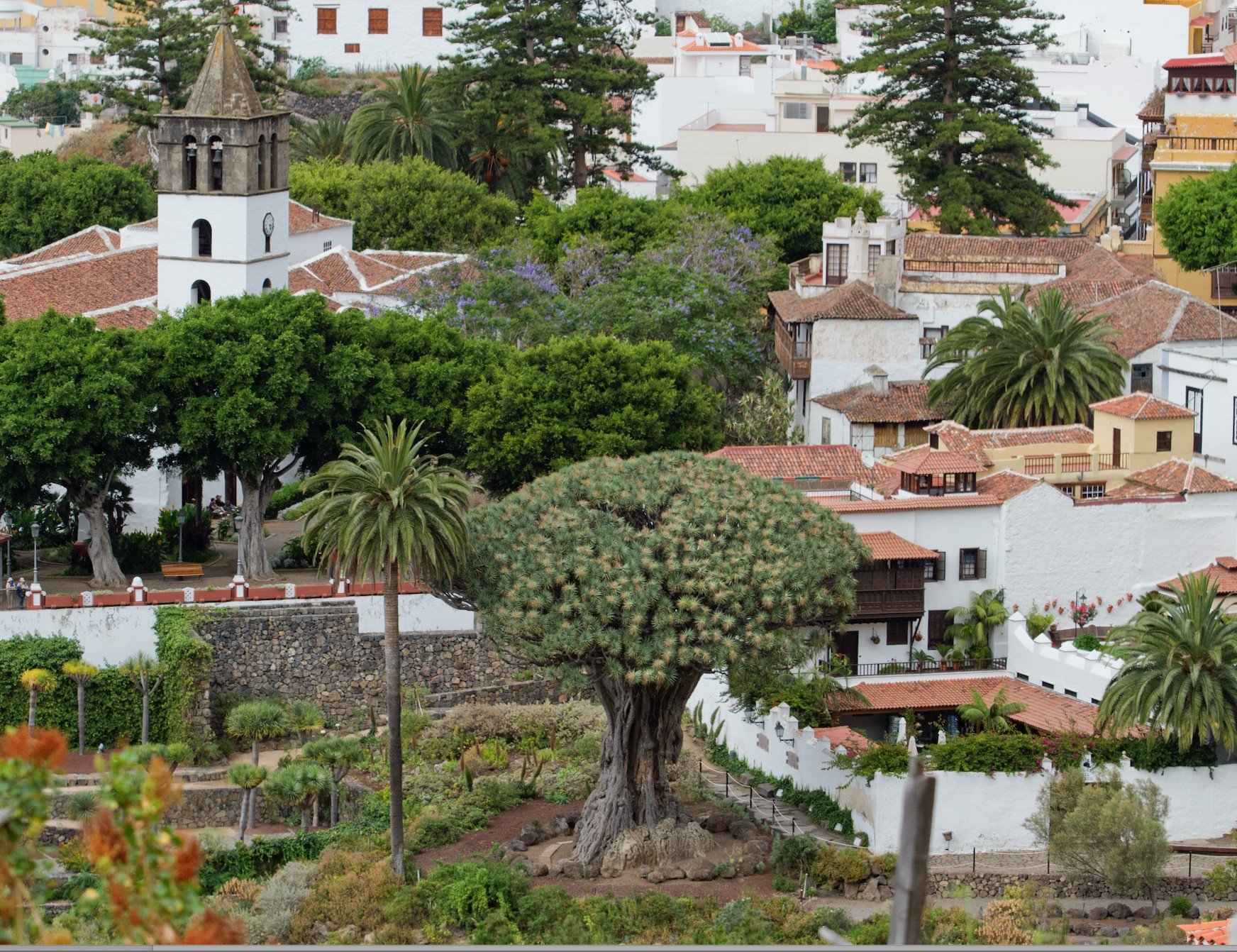
In the 21st century, Icod de los Vinos reinforced its identity with the adoption of its official flag (2002) and the formal recognition of its historic center as a Heritage of Cultural Interest site. It forms part of significant protected natural areas, combining historical legacy and sustainable development in a unique setting.
Today, with a historic center protected as a Heritage of Cultural Interest and surrounded by unique natural landscapes, Icod blends past and future in an environment full of life and heritage.