Drago
Park
Millenary Drago Park: Nature, History, and Sustainability in the Heart of Icod de los Vinos
The History of the Dragon Tree of Icod de los Vinos
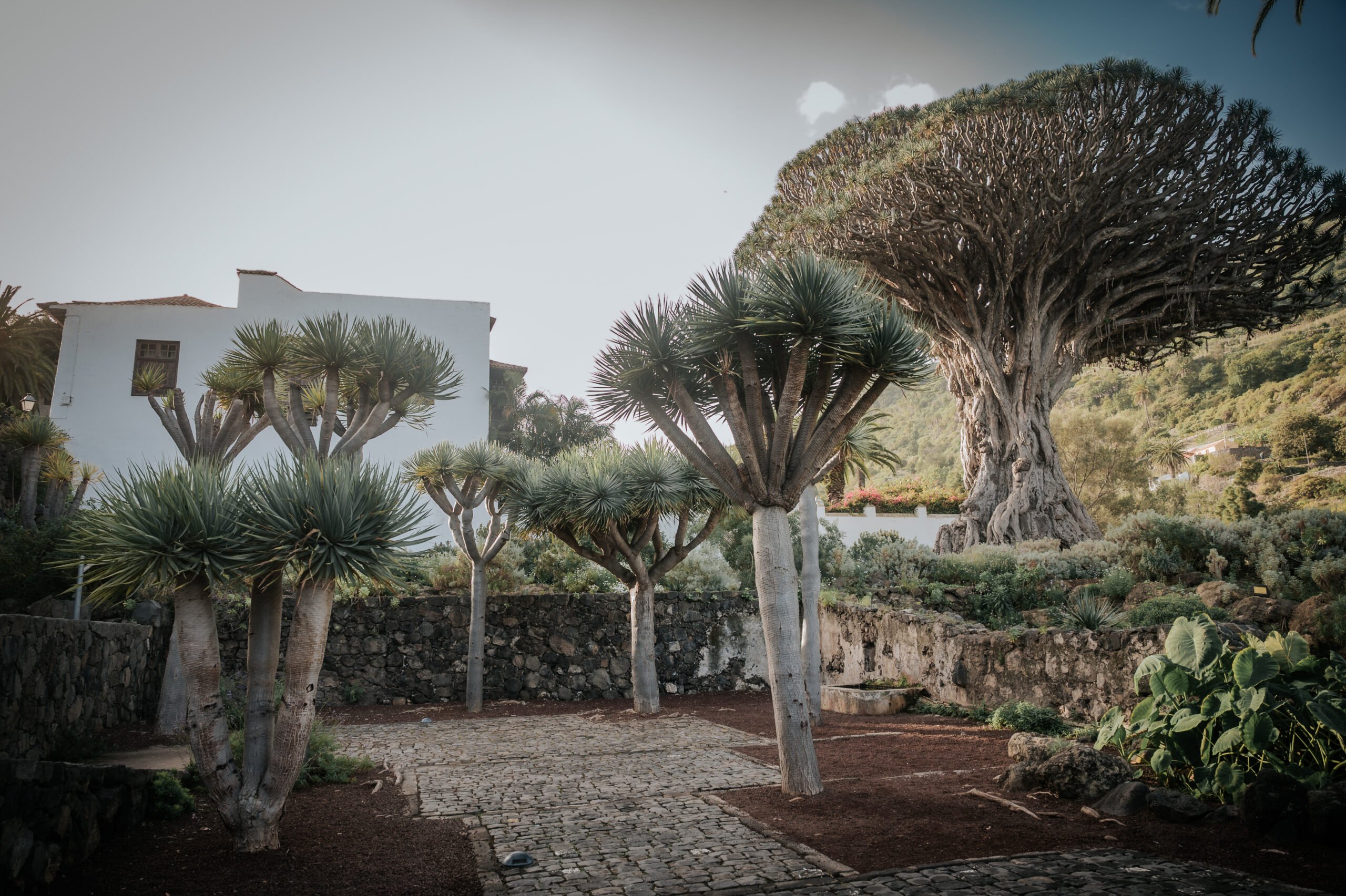
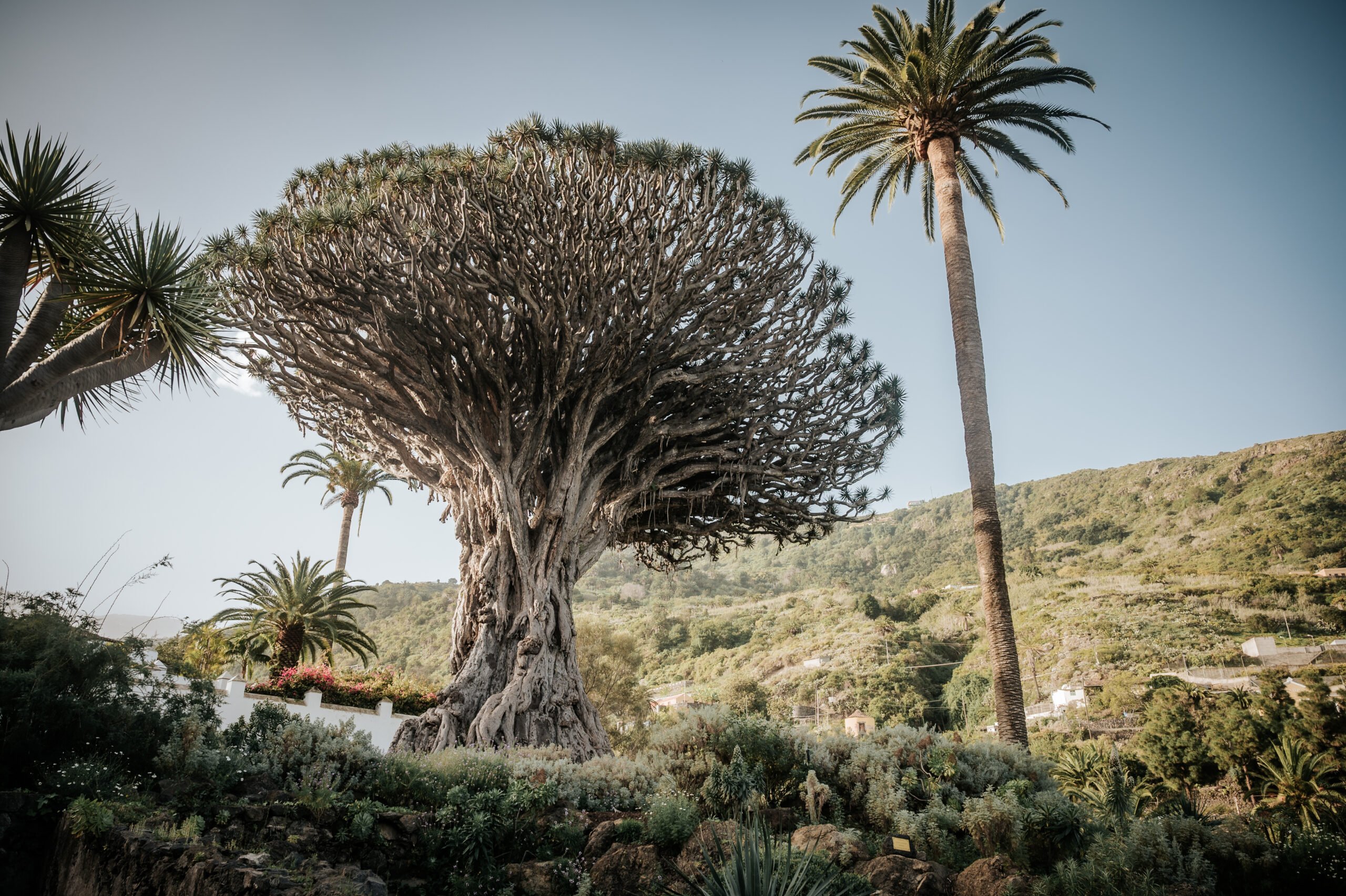
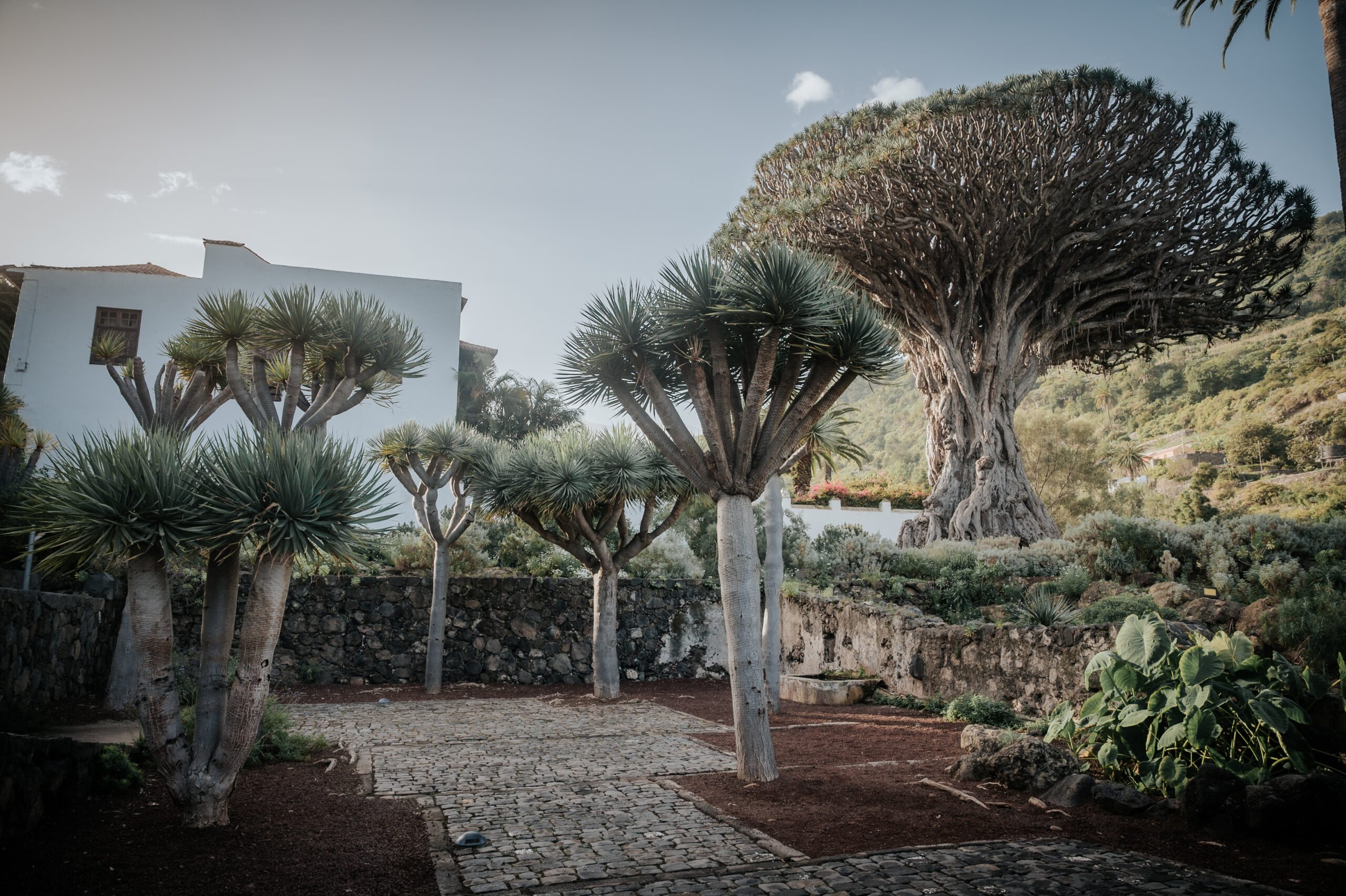
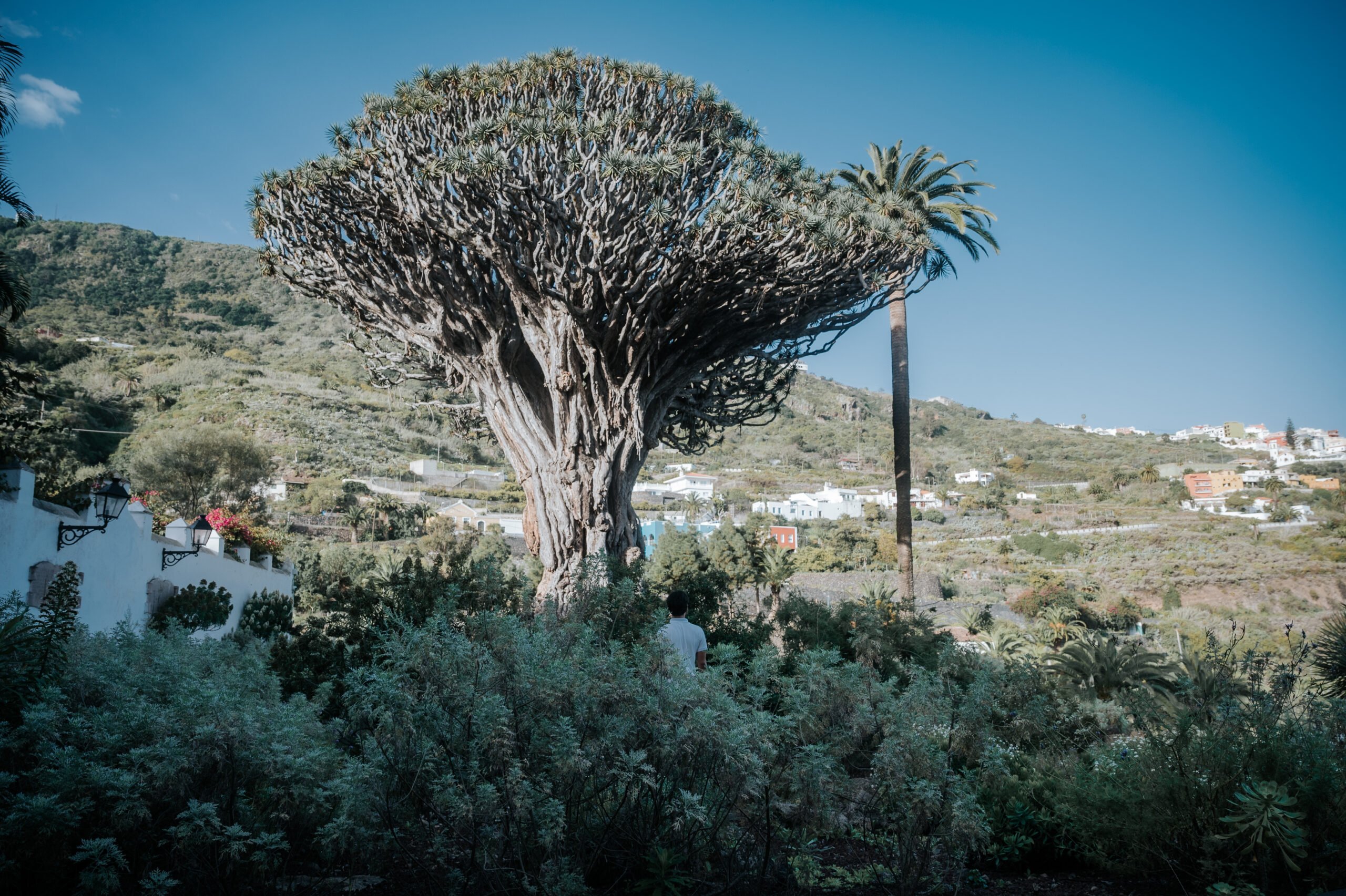
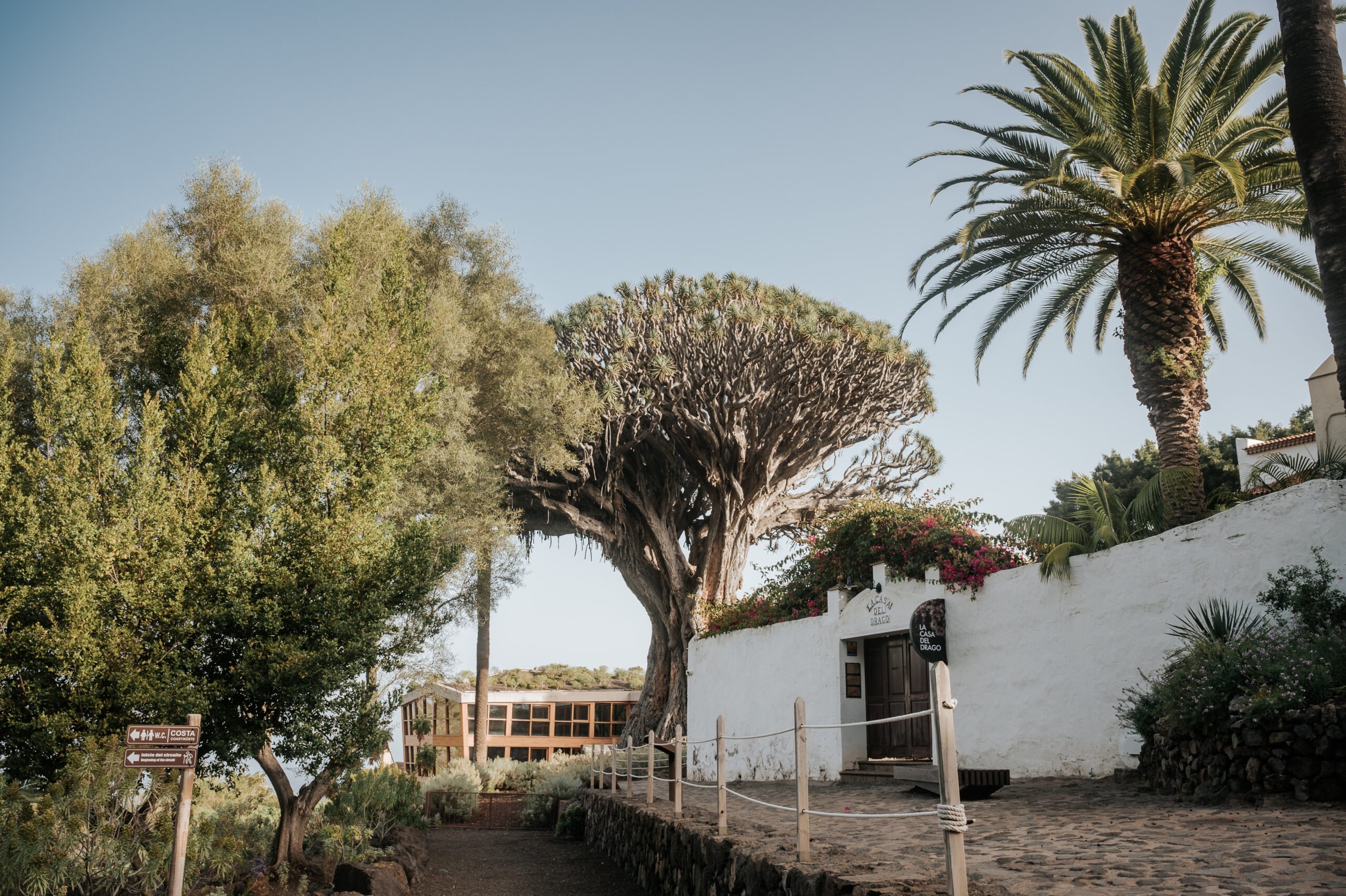
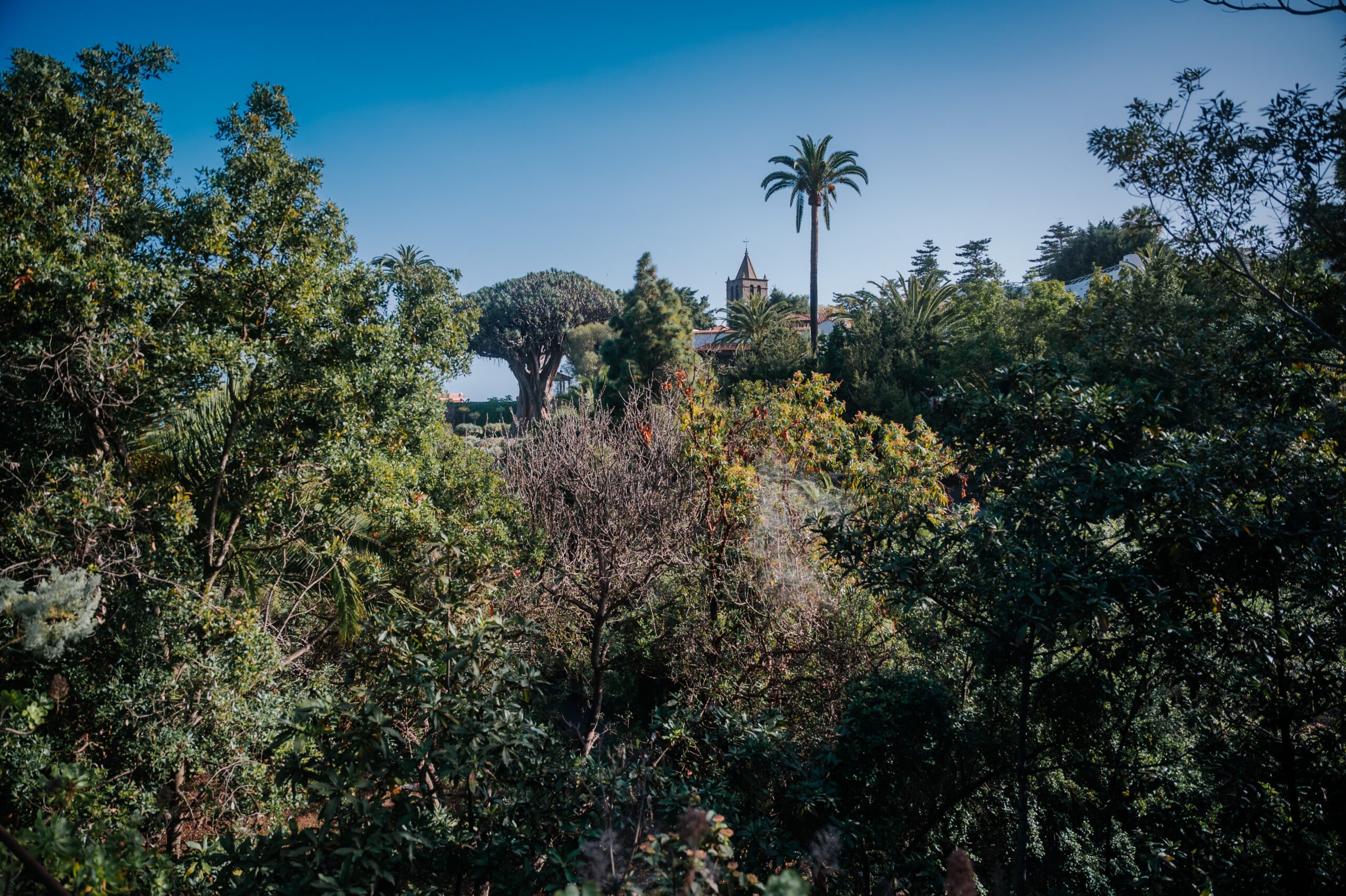
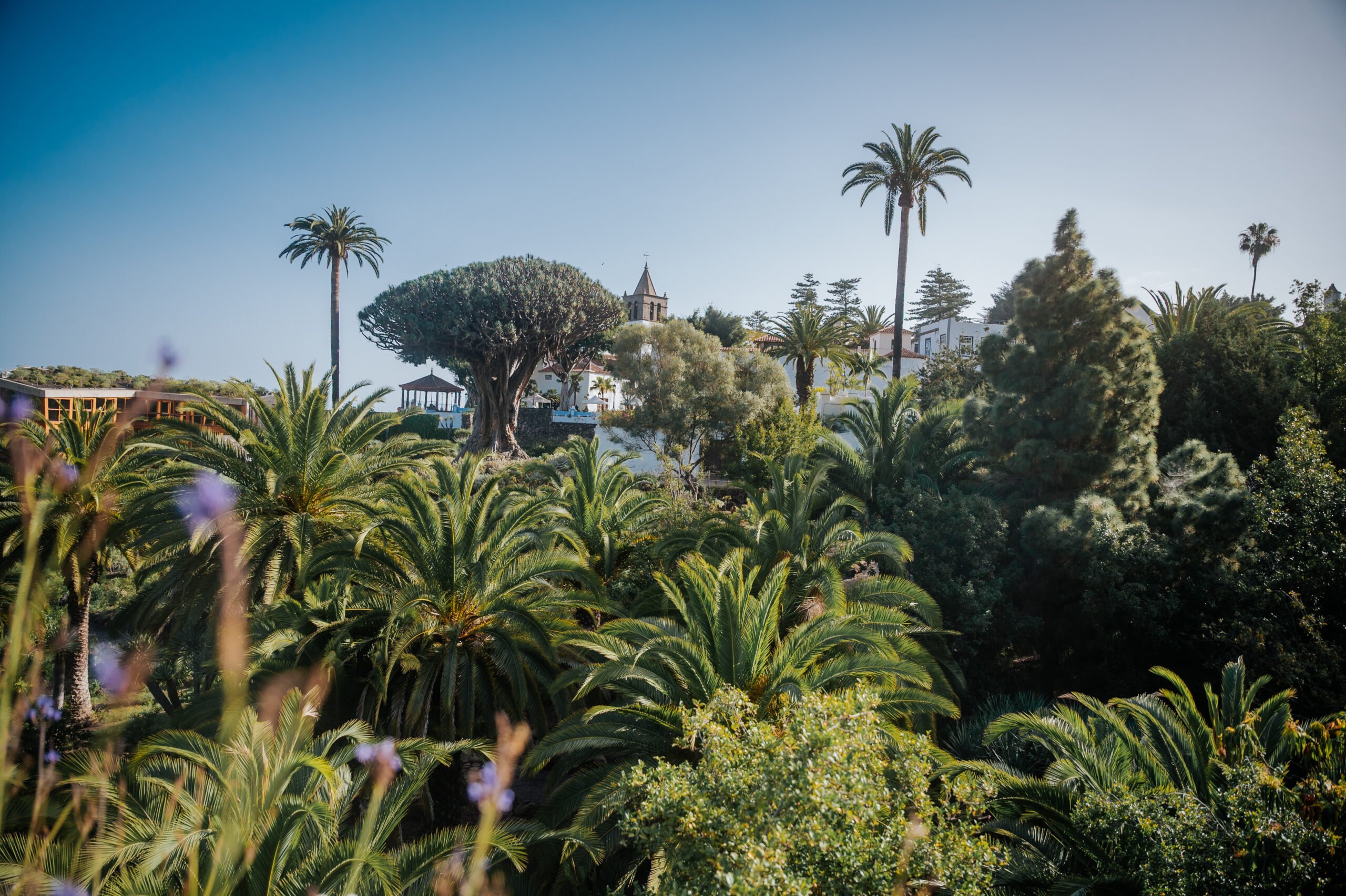
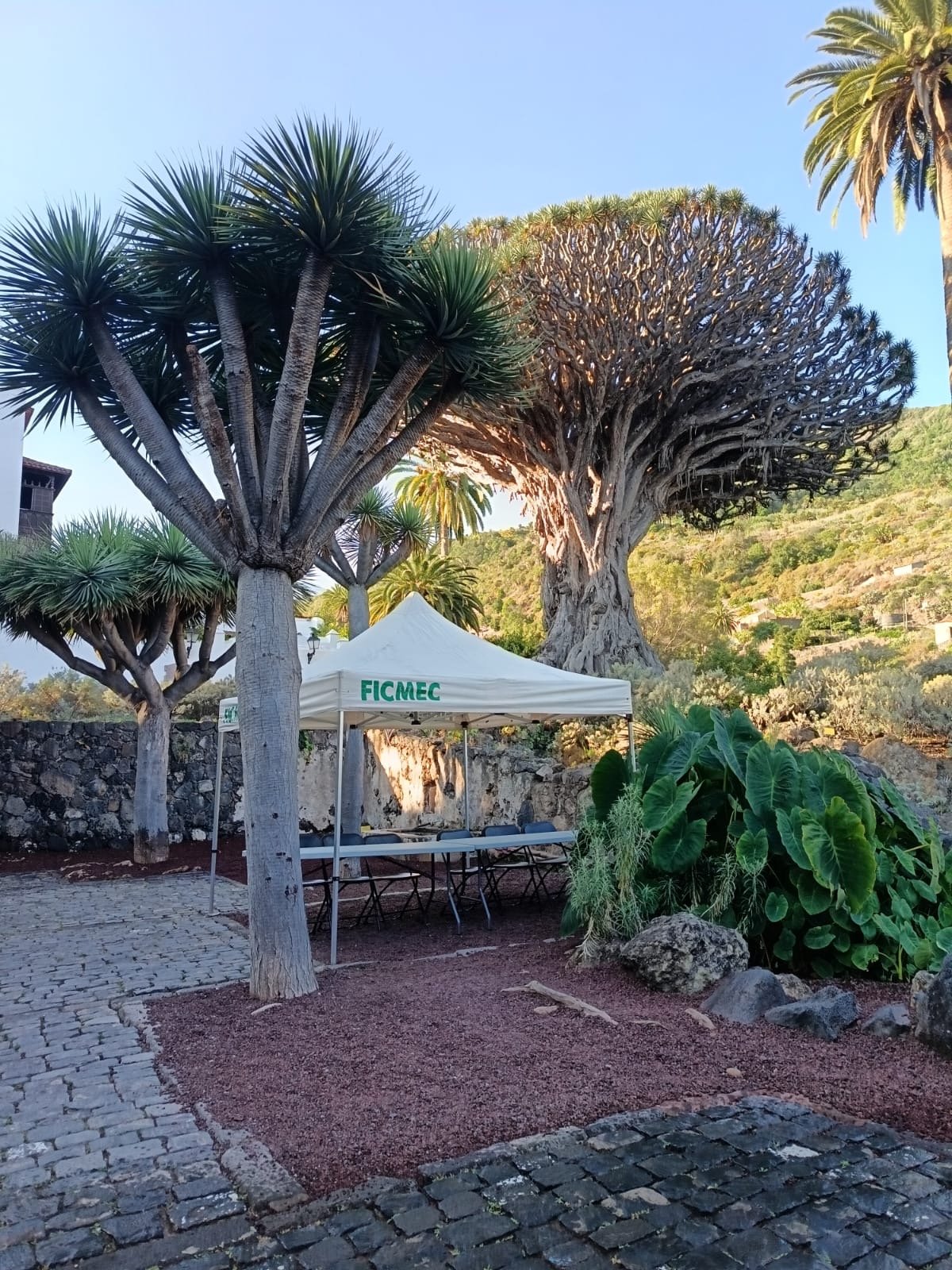
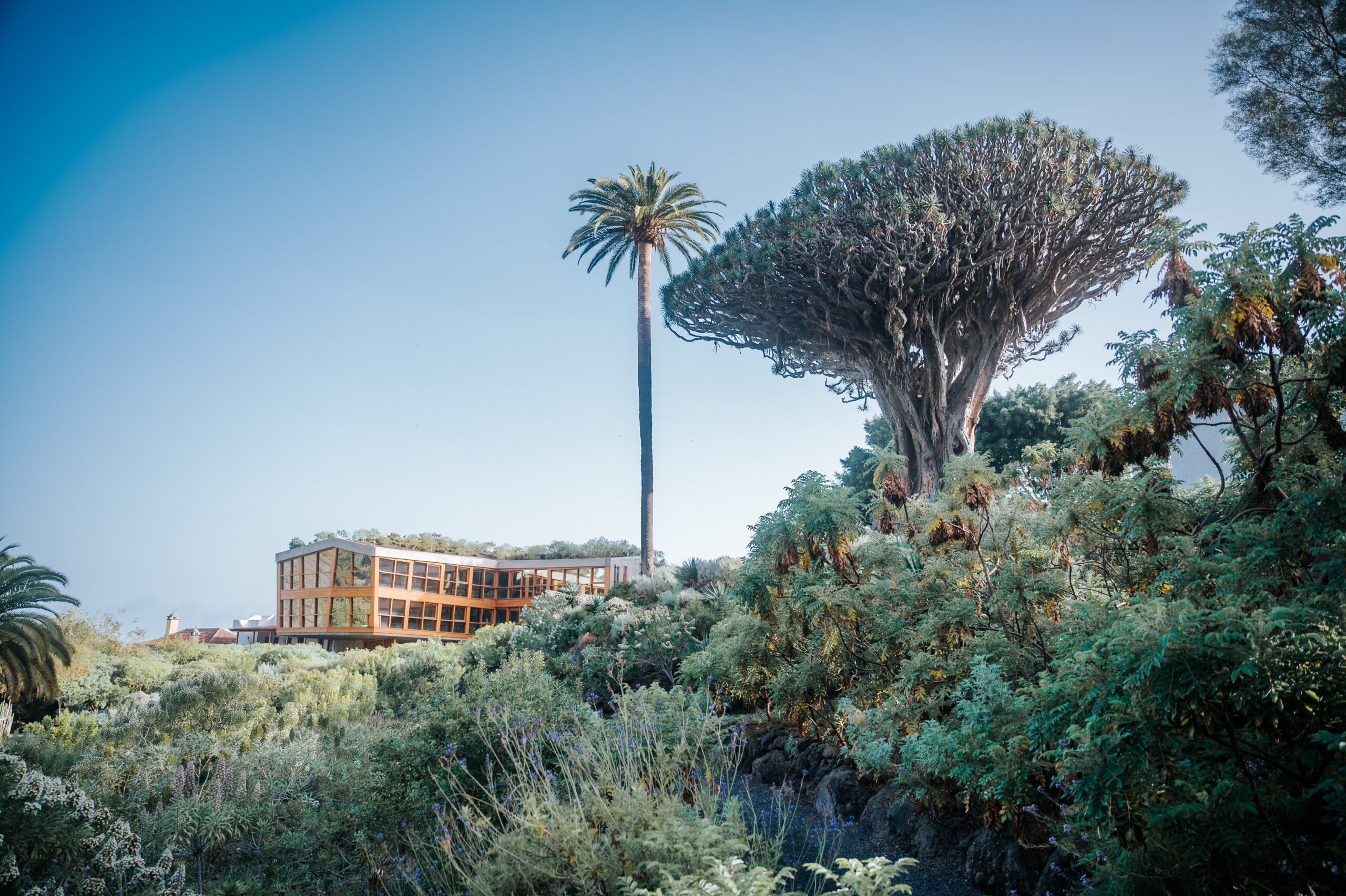
Visiting the Millenary Drago Park means entering one of the most emblematic natural spaces in the Canary Islands. Inside it stands the majestic Millenary Drago, a unique specimen of Dracaena draco, the natural symbol of Icod de los Vinos, declared a National Monument in 1917. With more than 800 years of history, it is a true botanical treasure and one of the most recognizable icons of Tenerife.
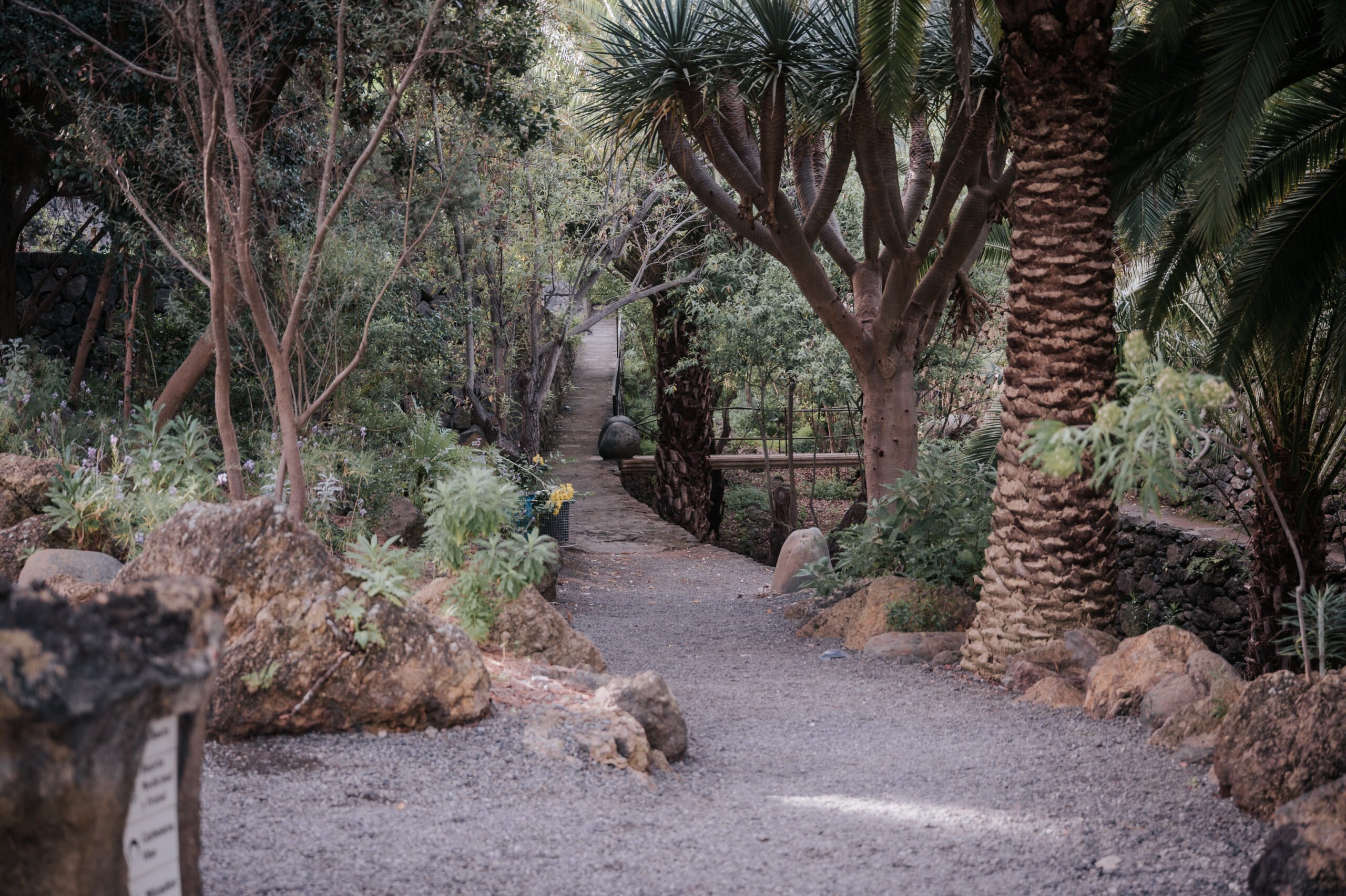
For years, its surroundings suffered significant alterations that endangered its conservation. However, since 1984, an ambitious landscape restoration project has returned the Drago and its environment to their original essence. Artificial elements were removed, native vegetation was restored, and a park was designed that is fully integrated with the volcanic landscape, respecting the natural relief and recreating the island’s different ecosystems.
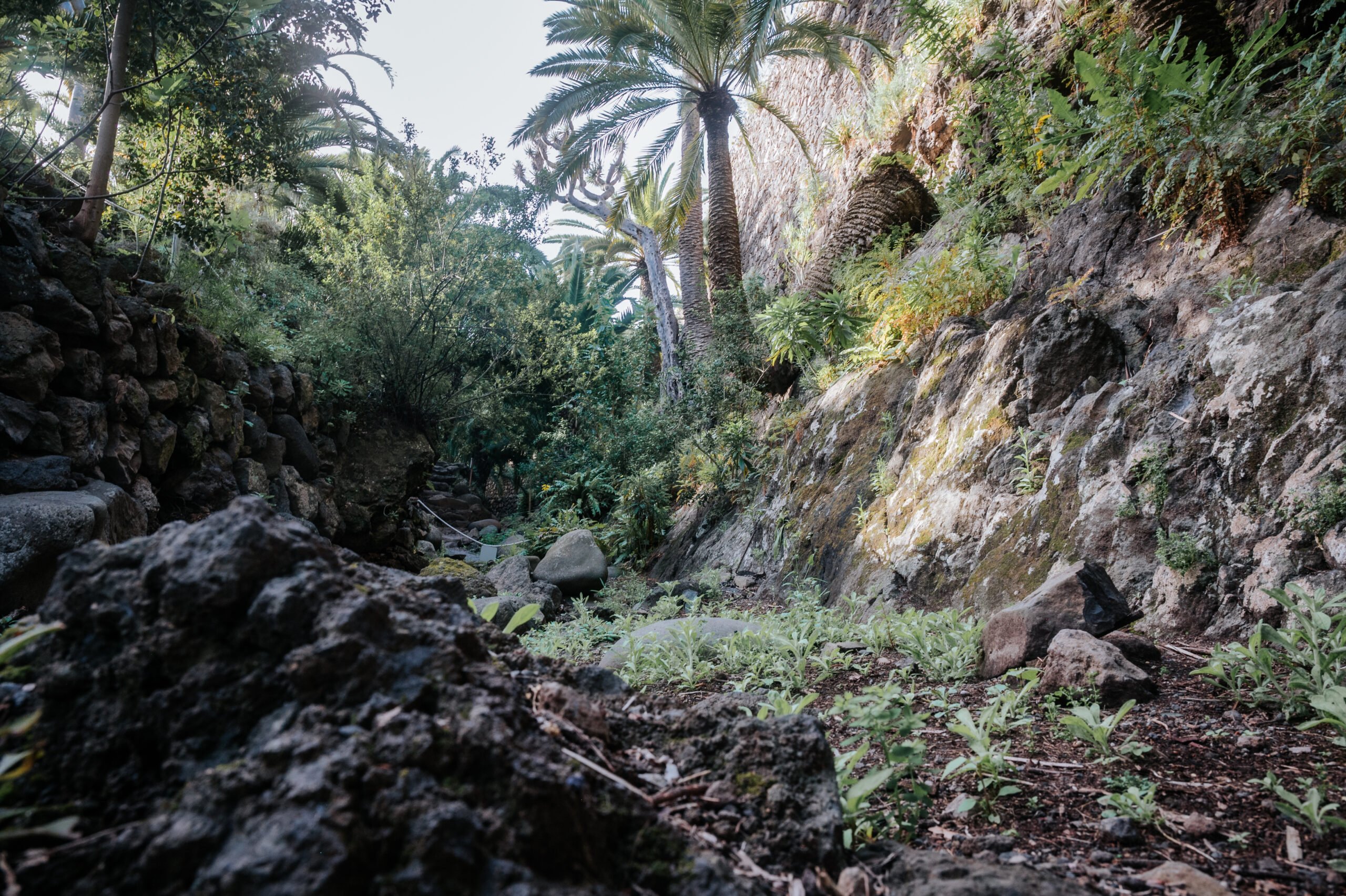
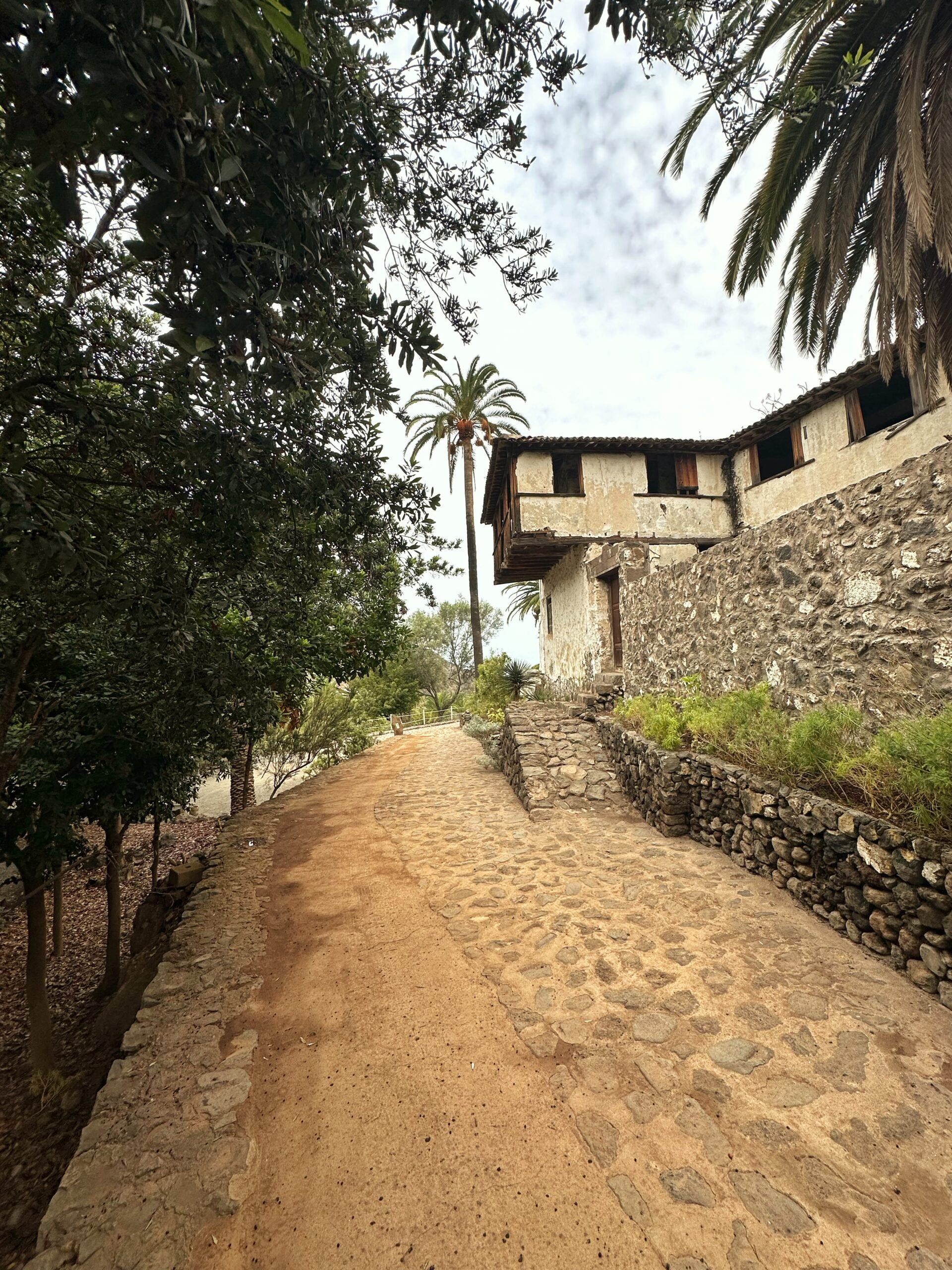
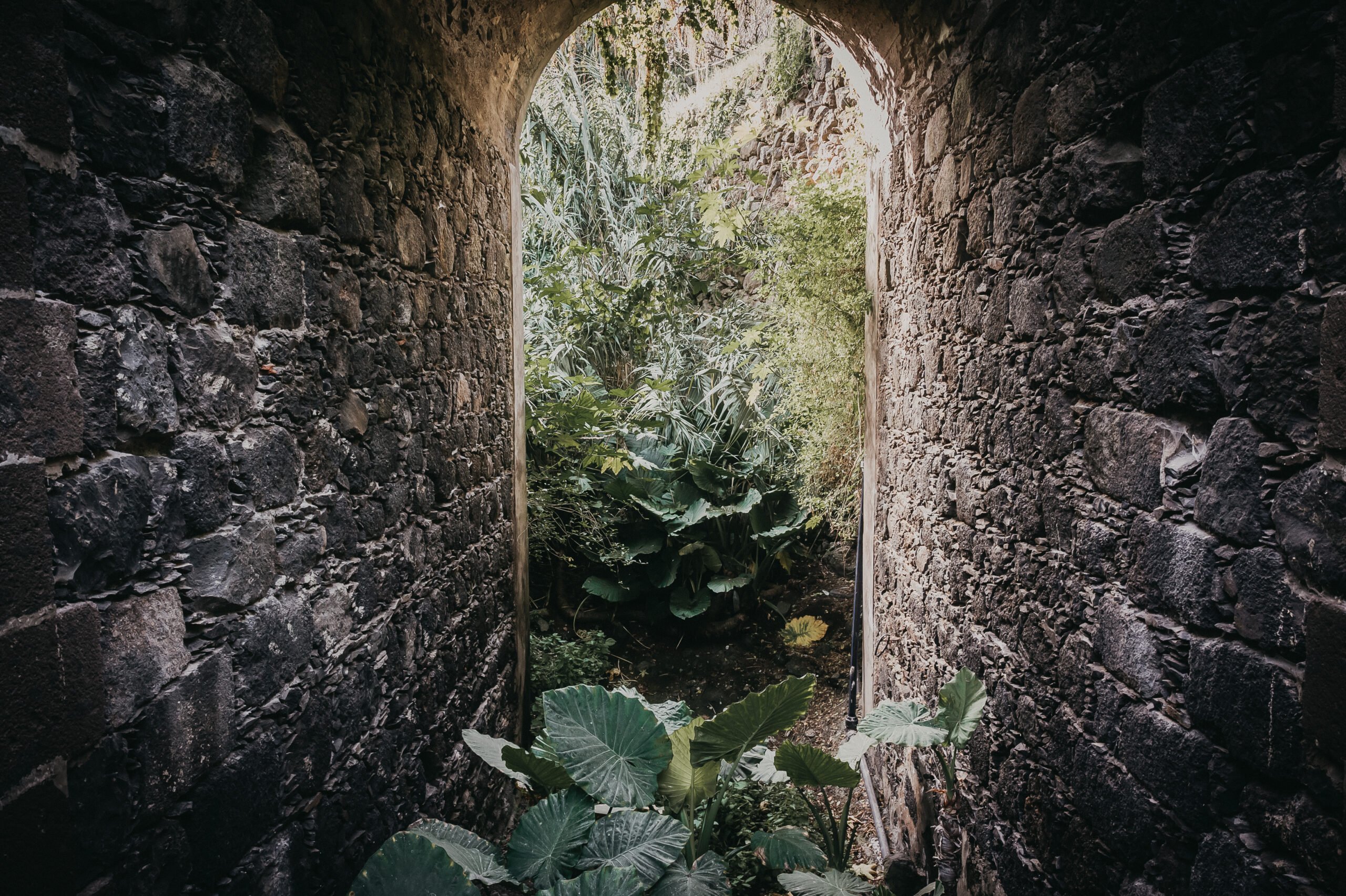
The Park extends over three hectares and offers a journey through Canarian biodiversity along paths with botanical signage, traditional irrigation channels, old cultivation walls, and historical remains such as the Callejón del Molino. Along the route, visitors cross the Caforiño ravine, a natural feature that enriches the landscape and reinforces the connection with the original environment. In addition to being a place for walking and contemplation, the park has become a model of sustainable tourism, promoting environmental education and respect for natural heritage.
Today, the Millenary Drago stands stronger than ever, surrounded by a garden that represents the island’s ecological and cultural richness. It is an essential place for those who wish to experience the living history of Tenerife, connect with nature, and discover Icod de los Vinos’ commitment to sustainability.
More than just a botanical garden, the Millenary Drago Park is a true journey through Tenerife’s natural diversity. Its paths not only allow visitors to admire the famous Millenary Drago but also to discover how vegetation changes with altitude across the island. In a single space, the park faithfully reproduces the island’s various ecosystems, from the driest coastal areas to the humid forests of the highlands.
We invite you to explore these unique landscapes without leaving Icod de los Vinos:
At the beginning of the route, visitors find the dragon tree nursery, an educational space that showcases the evolutionary process of this emblematic species. There, specimens of different sizes and ages can be observed, offering insight into the slow and unique development of dragon trees.
Unique Ecosystems in one place
- Cardonal–Tabaibal (basal level): The lowest level, below 300 meters, consists of succulent plants such as Euphorbia canariensis (Canarian spurge), Euphorbia balsamifera and Euphorbia lamarckii (tabaibas), and verodes.
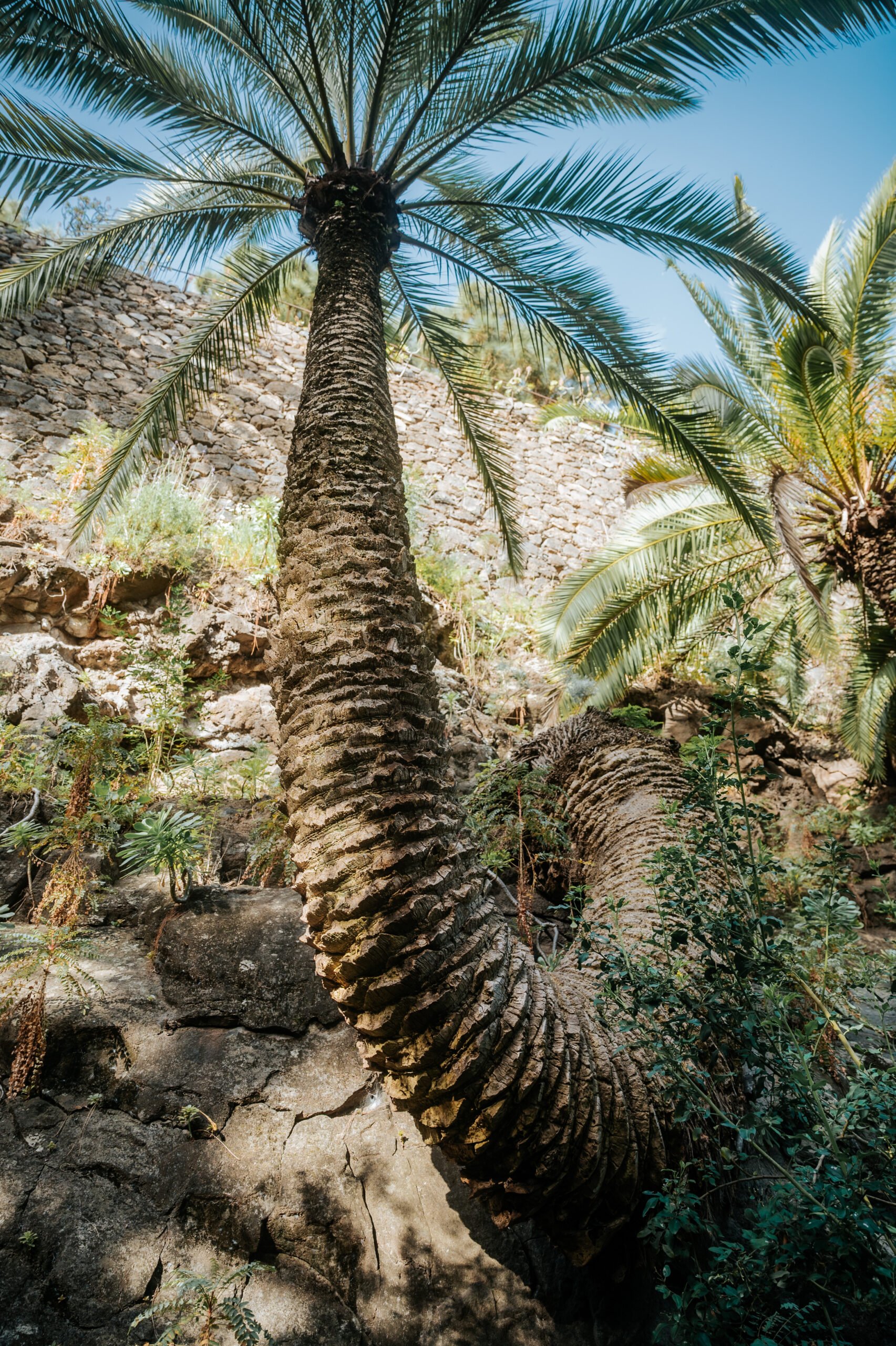
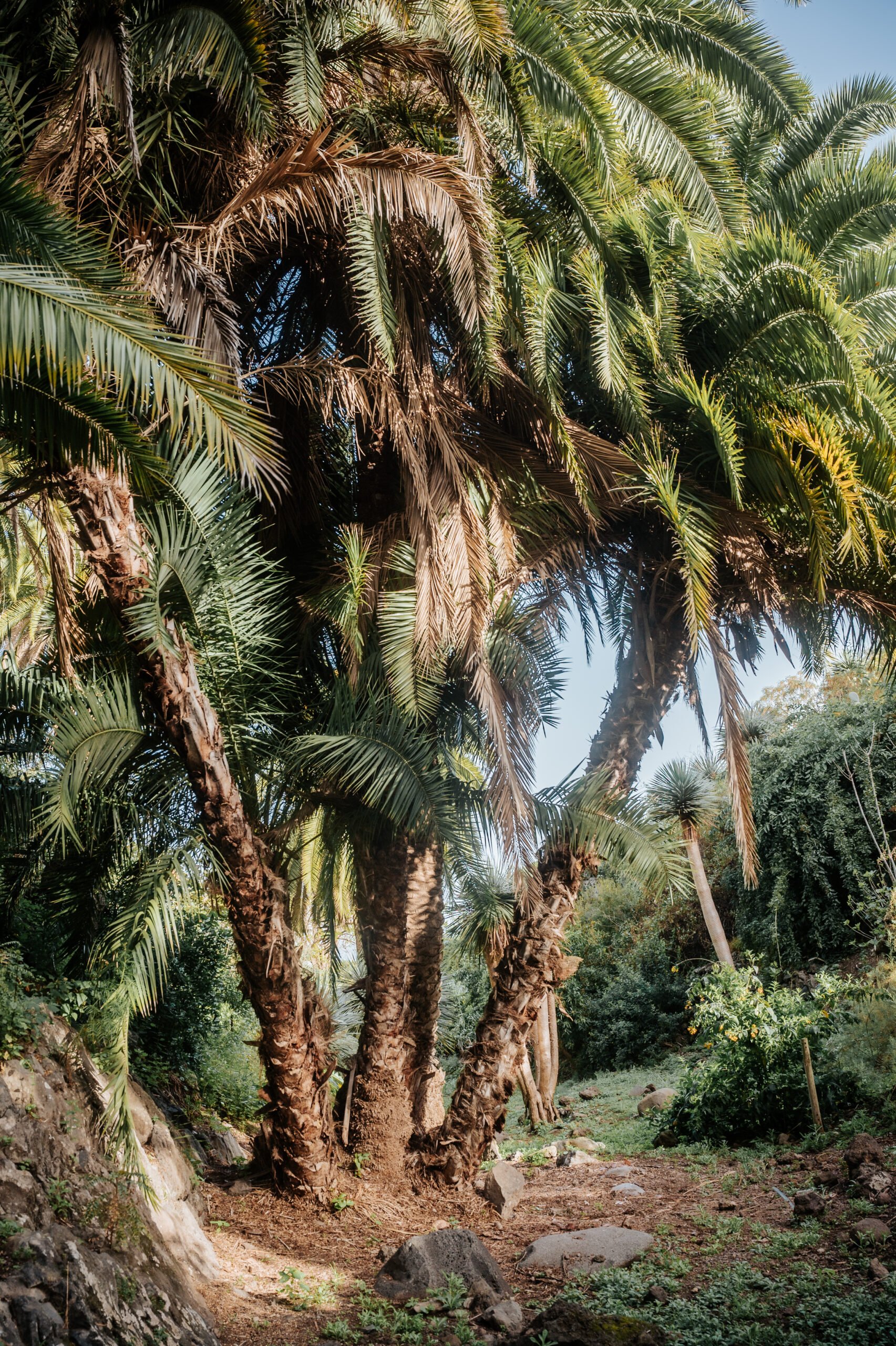
- Thermophilic Zone: Around 500 meters, this fertile strip features species such as junipers, Canarian palms, wild olives, broom bushes, and lavender, reflecting the traditional agricultural use of the midlands.
- Fayal–Brezal and Laurisilva Zone: On the higher slopes (600 to 1200 m), the humid laurel forests grow — authentic relics of the Tertiary period — preserving ancestral species that once populated Europe and North Africa millions of years ago.
Drago Park Viewpoint: Nature, History, and Unforgettable Views
At the highest point of the Drago Park is a panoramic viewpoint that offers one of the most stunning views in Tenerife. From this privileged spot, visitors can see, in a single glance, the majesty of Mount Teide in the background, the deep blue of the Atlantic Ocean, the imposing Millenary Drago, the centenary Drago of San Antonio, as well as traditional Canarian houses and the emblematic Church of San Marcos — part of the treasured historic center of Icod de los Vinos.
This viewpoint is much more than a place to take photos: it is a spot to breathe in the essence of northern Tenerife, surrounded by the freshness of the Canarian pine forest, where nature and cultural heritage blend in harmony.
Myths and Legends
Beyond its botanical value, the dragon tree has been shrouded in legend since ancient times. One of the oldest myths comes from Greek mythology and places the origin of this tree-like plant in the Garden of the Hesperides, a hidden paradise that many associate with the Canary Islands. There, a hundred-headed dragon named Ladon guarded the precious golden fruits of a magical tree. When the hero Heracles (Hercules) defeated him, from every drop of blood that fell, the first dragon trees were born.
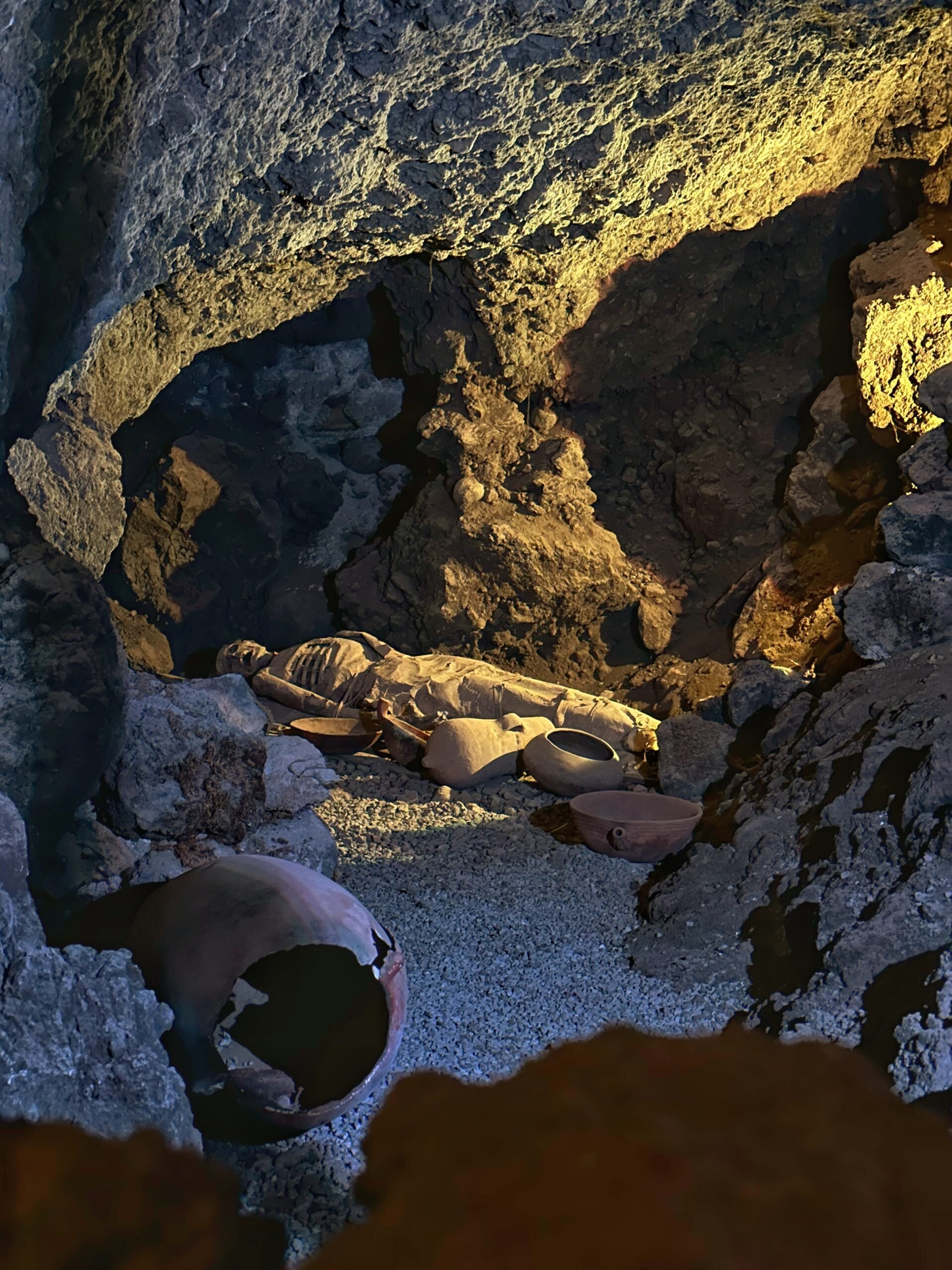
Because of its reddish color, the sap of the dragon tree was used by the island’s ancient inhabitants, the Guanches, as natural medicine and in ancestral rituals. Later, in medieval Europe, the so-called “dragon’s blood” became a highly valued product due to its supposed healing and mystical properties.
Today, the dragon tree continues to inspire fascination. Visiting it means encountering not only a living monument of nature but also centuries of history, mythology, and Canarian tradition.
Ending the tour of the Drago Park
Ending the tour of the Drago Park is to conclude a unique experience in one of Tenerife’s most emblematic places. After discovering the lush vegetation, the charming paths, and the imposing presence of the Millenary Drago, visitors leave with more than just an image — they take with them the memory of a magical place where nature, history, and culture intertwine.
An essential visit for lovers of authentic Canarian identity… and for those seeking experiences that go beyond the ordinary.
In 2025, the Drago Park became one of the most emblematic venues of the Canary Islands International Environmental Film Festival (FICMEC), hosting screenings, talks, and open-air activities under the impressive presence of the Millenary Drago. This event reinforced the park’s commitment to environmental awareness, sustainability, and the connection between nature and culture.
Beyond this prominent festival, the Drago Park remains a vibrant space with ongoing educational activity. Throughout the year, guided tours are offered to school groups, IMSERSO programs, and other organized groups, turning the Drago’s surroundings into an open-air classroom where visitors learn about biodiversity, natural history, and the cultural heritage of the Canary Islands.
Thanks to this educational vocation, the Drago Park has established itself not only as a place for contemplation but also as one for learning and awareness, integrating environmental education into the visitor experience.
Ancient Trades of Icod de los Vinos
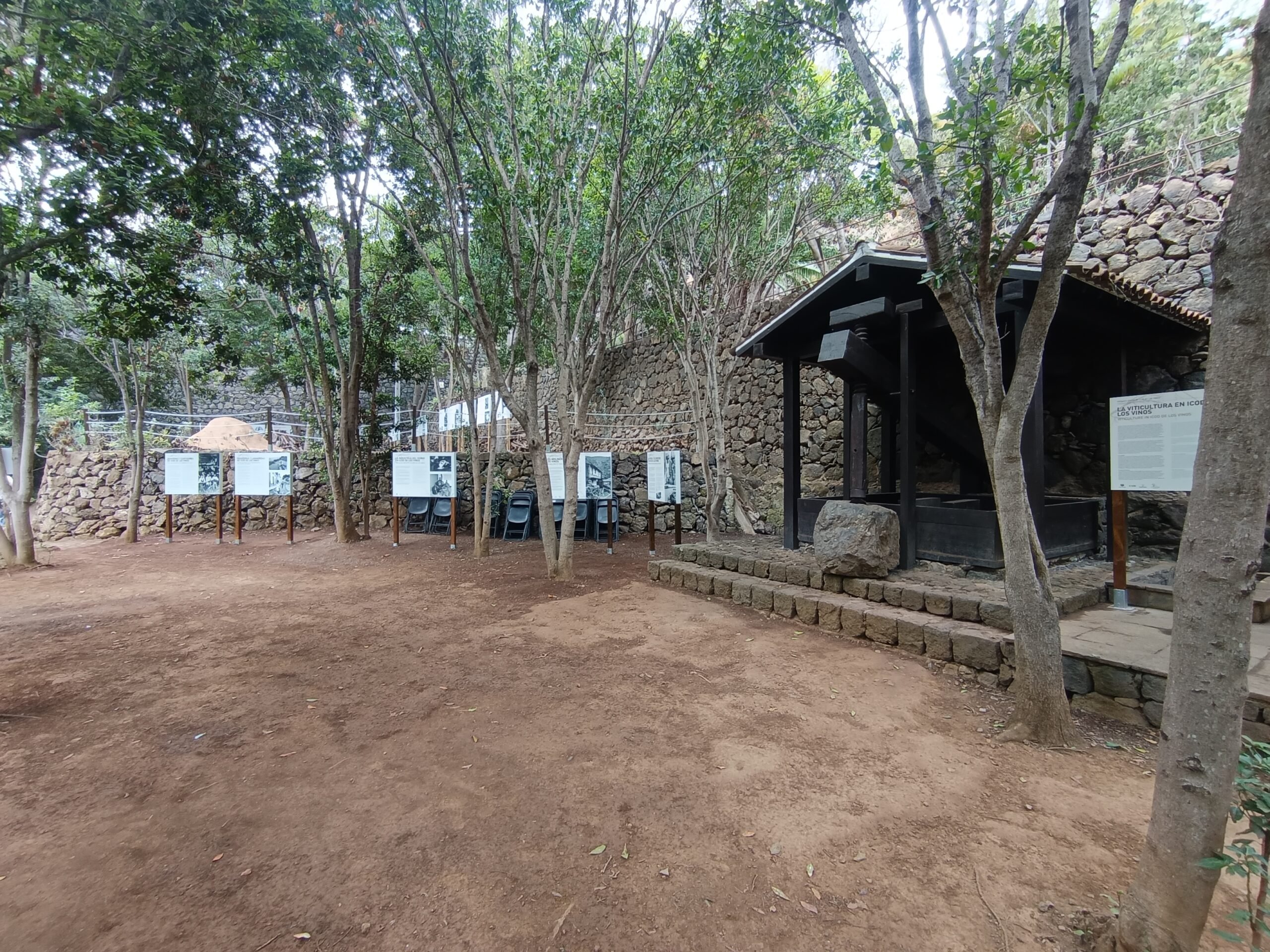
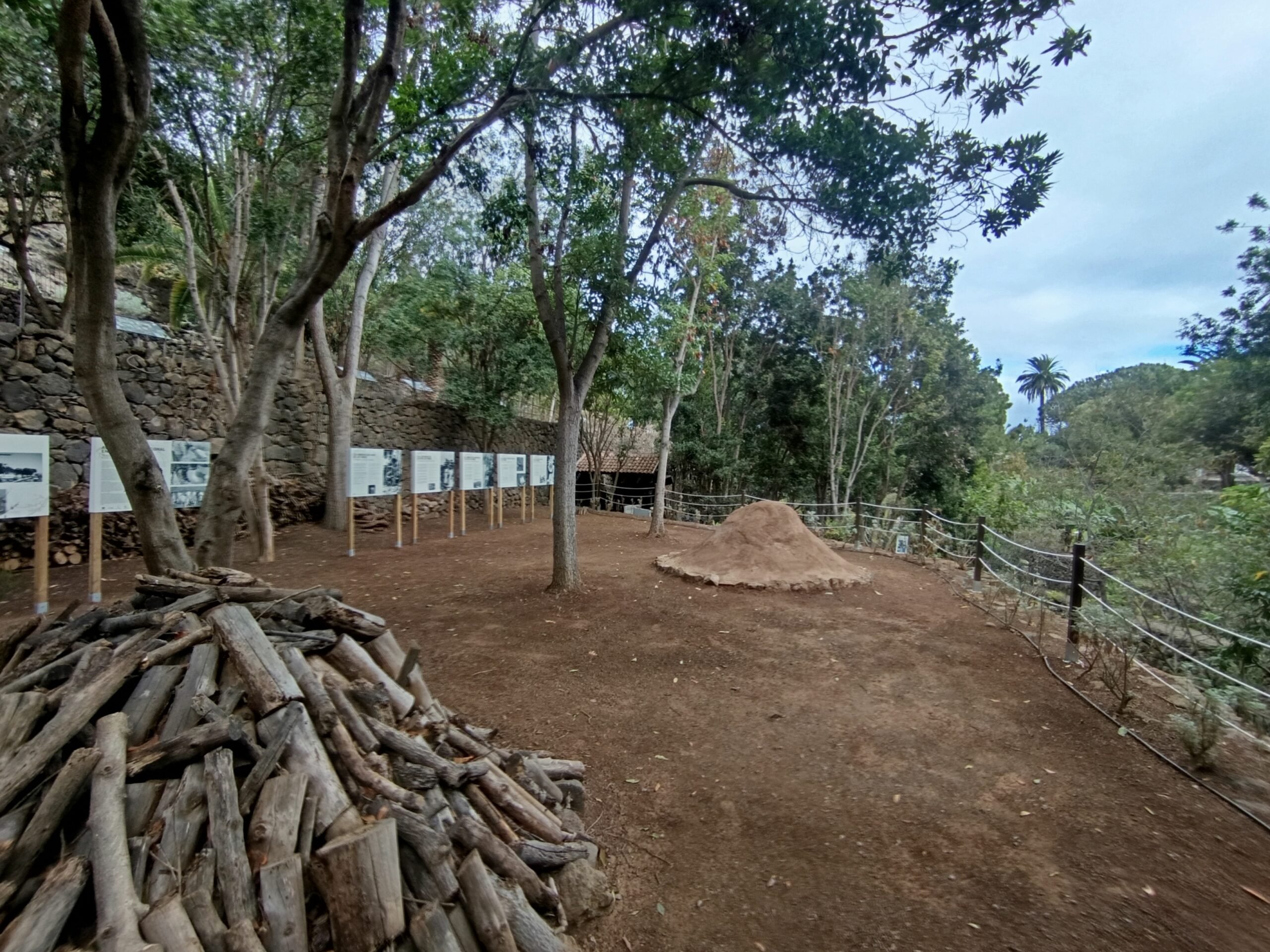
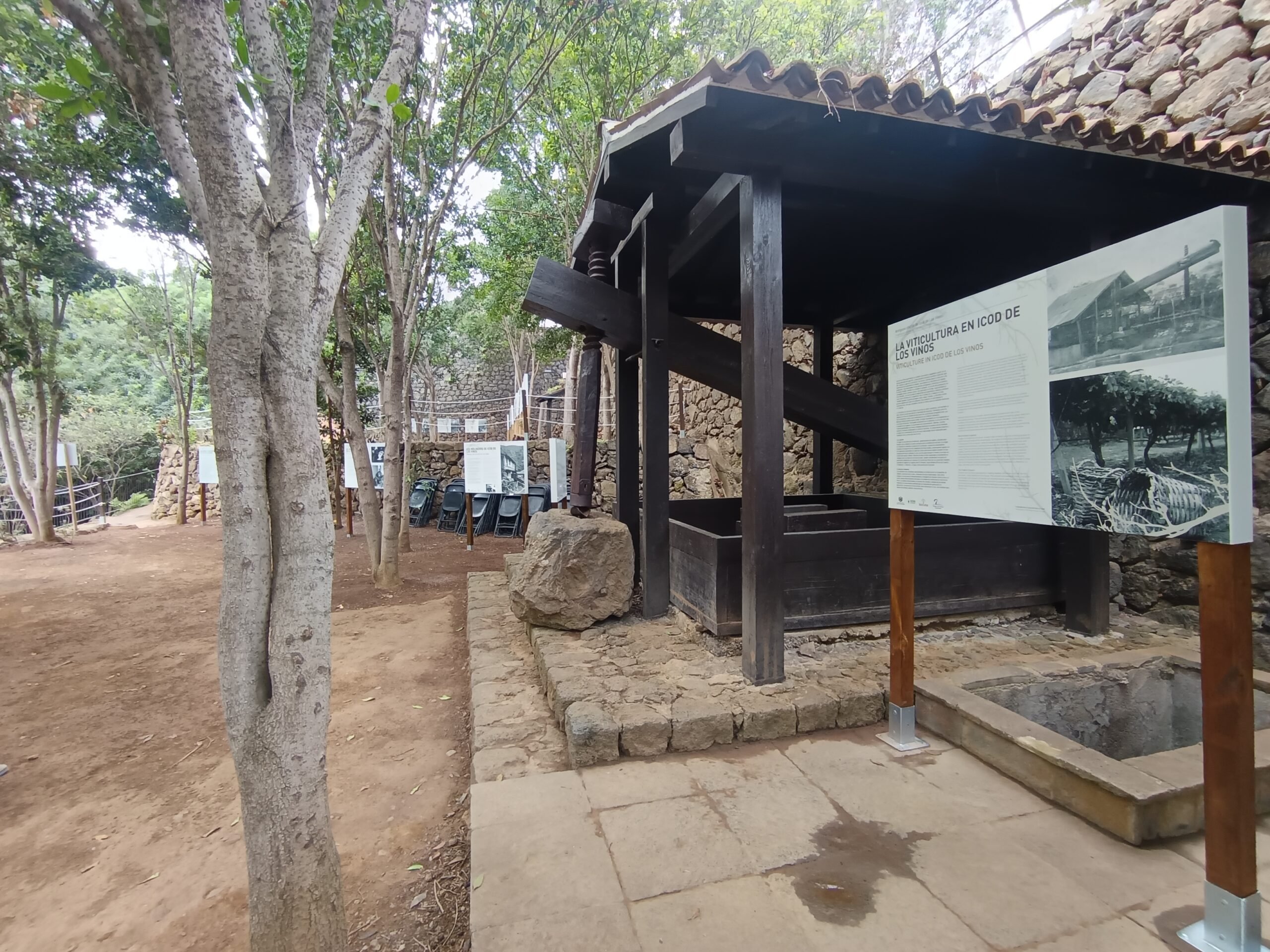
Visiting Icod de los Vinos is like embarking on a journey through time, where traditional trades come to life and tell the story of a town that learned to thrive between mountain and sea. The exhibition “Ancient Trades of Icod de los Vinos,” located in the Parque del Drago Milenario, offers a unique tour through the memory of those who built the municipality with ingenuity, effort, and a deep connection to nature.
The Sawmill and Wood Industry of the 16th century was much more than a carpentry workshop: it supplied timber for houses, churches, and even ships in Caleta de San Marcos, leaving its mark on local place names.
Shepherding, heir to the Guanche tradition, remains alive as a sustainable practice, while also providing high-quality cheeses and meats.
The Sugar Mill Industry turned Icod de los Vinos into an early economic hub, attracting settlers and craftsmen, while Water Carriers and Washerwomen ensured access to water and hygiene in times before plumbing, turning fountains and washhouses into true social gathering places.
Traditional Agriculture shaped the landscape with terraces and stone walls, highlighting crops such as dryland cereals—the basis of gofio; bananas, which conquered European markets; and potatoes, renowned for their unique local varieties.
Rooted in the very name of the town, Beekeeping reveals the ancestral value of honey, while the Glass Industry (16th century) left its mark with highly resistant pieces that were even exported to the Americas.
Handcrafts also have their place: Basketry, made from natural fibers; Fishing and Trade, which defined life in San Marcos; and the Pitch Makers, essential for shipbuilding.
The Threshing Floors recall a communal agricultural life, while Sericulture and its fine silks showcase the skilled hands of local women at the looms. Likewise, the Milkmaids, walking through the streets with their pitchers, and the Tanners, who gave their name to La Tenería, were vital to everyday life.
The rise of Viticulture established Icod de los Vinos as a wine-producing benchmark, with old winepresses still visible today and the work of Coopers, who shaped the barrels.
Other trades complete this mosaic: Pine-needle gatherers, once collecting pinocha for the fields and now valued in fire prevention; Millers, guardians of gofio since 1602; Cobblers, who turned leather into footwear; and Gallery Miners, who with great effort and risk pierced the earth in search of water.
Each trade is a living testimony to the creativity and resilience of a people who learned to adapt and prosper. Discovering them means immersing yourself in the very cultural essence of Icod de los Vinos.
General information - Ticket sales
🕘 Opening Hours (open daily)
• Summer schedule (April to October): 09:00 – 20:00
• Winter schedule (November to March): 09:00 – 18:00
🎟️ Tickets
• Adults: €5
• Students and pensioners: €3
• Children (6 to 11 years): €2.50
• Children under 6: Free admission
🎟️ Canary Islands Residents Tickets
• Adults: €2
• Students and pensioners: €1
• Children (6 to 11 years): €1
• Children under 6: Free admission