
Gastronomy and Viticulture
Icod de los Vinos
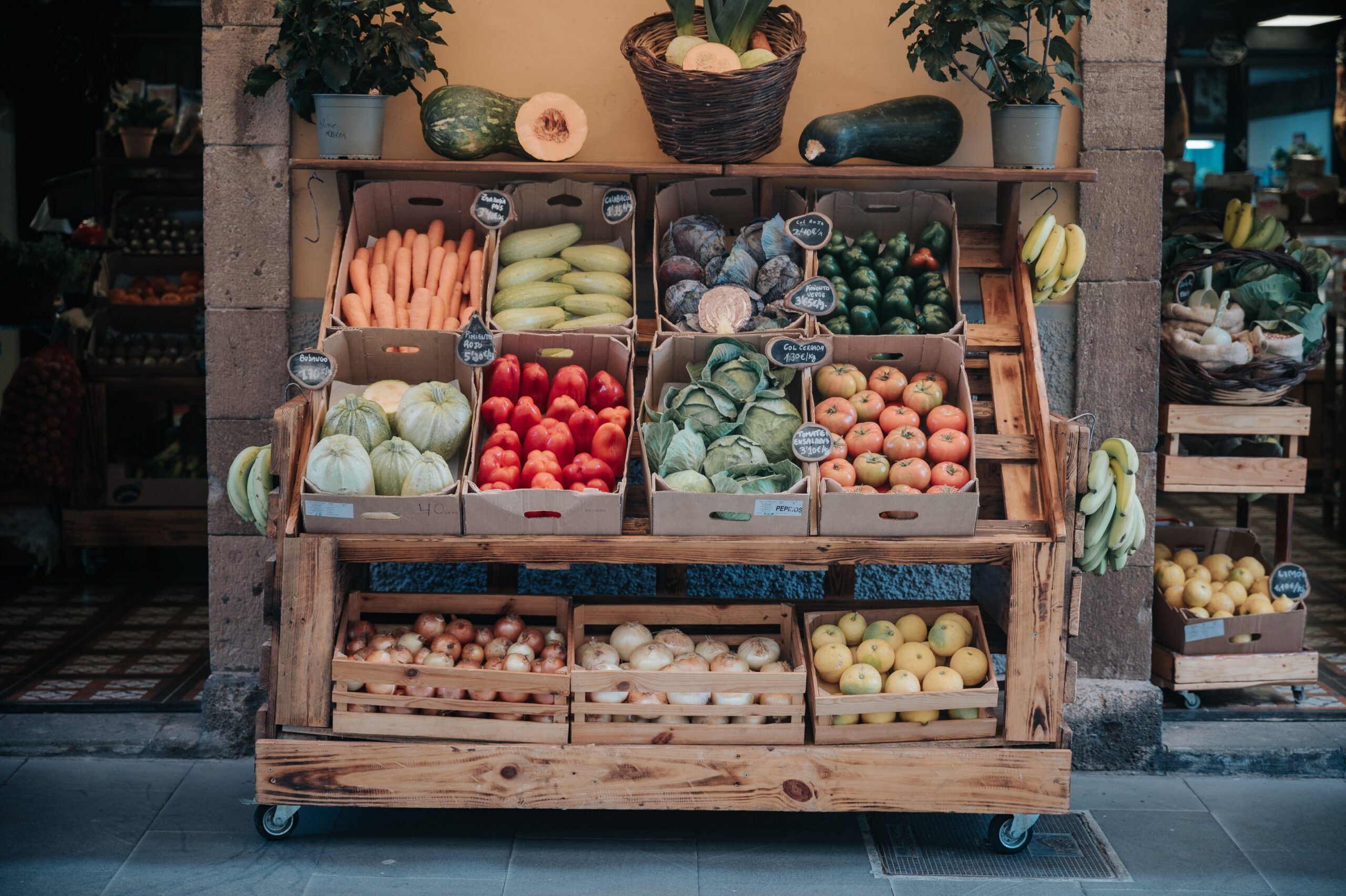
Flavours of Icod de los Vinos: Tradition, Identity and Local Produce
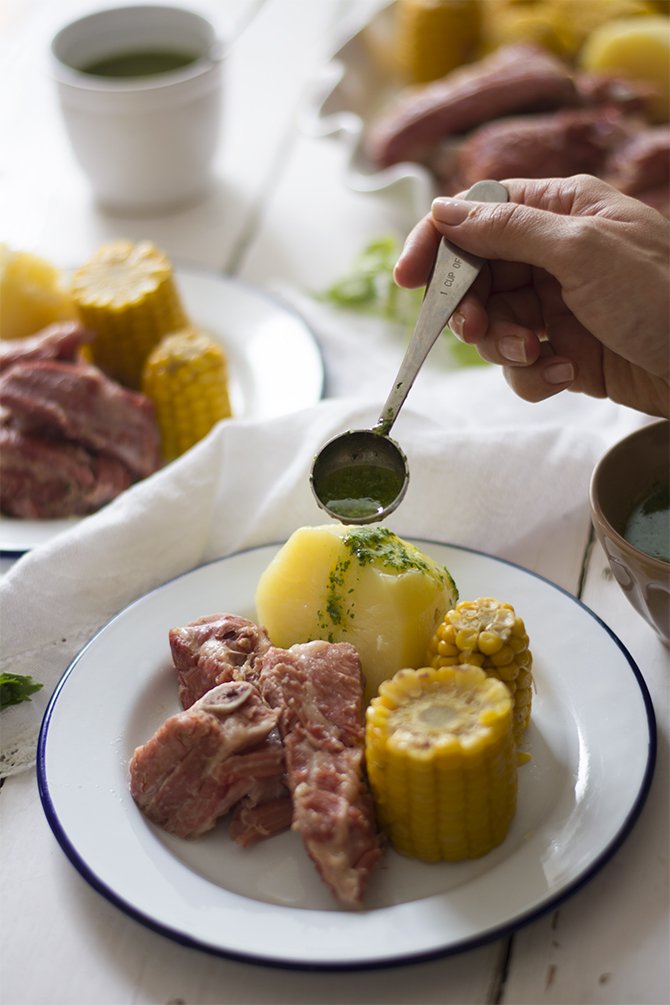
The gastronomy of Icod de los Vinos is an experience that blends tradition, authenticity, and local products. In this corner of northern Tenerife, Canarian recipes are reimagined without losing their roots. Visitors can enjoy hearty homemade stews, artisanal cheeses, and the unmistakable papas arrugadas with mojo sauce, served alongside grilled meats and fresh fish. Among the most traditional flavours are conejo en salmorejo (rabbit in marinade) and puchero canario, a rich stew of vegetables, potatoes, meats, and chickpeas that captures the essence of home-style island cooking.
Throughout the year, this culinary richness can be savoured in local restaurants, wineries, and food festivals such as the Fiesta del Condumio or the Gran Fiesta de los Vinos, where regional cuisine and local wines come together in a festive, welcoming atmosphere.
Icod de los Vinos nourishes not only the body, but also memory and the senses. Each dish tells a story, each ingredient speaks of the landscape, and each celebration reinforces the bond between culture and cuisine. Here, eating is another way of discovering and enjoying the island.
Typical dishes from Icod de los Vinos
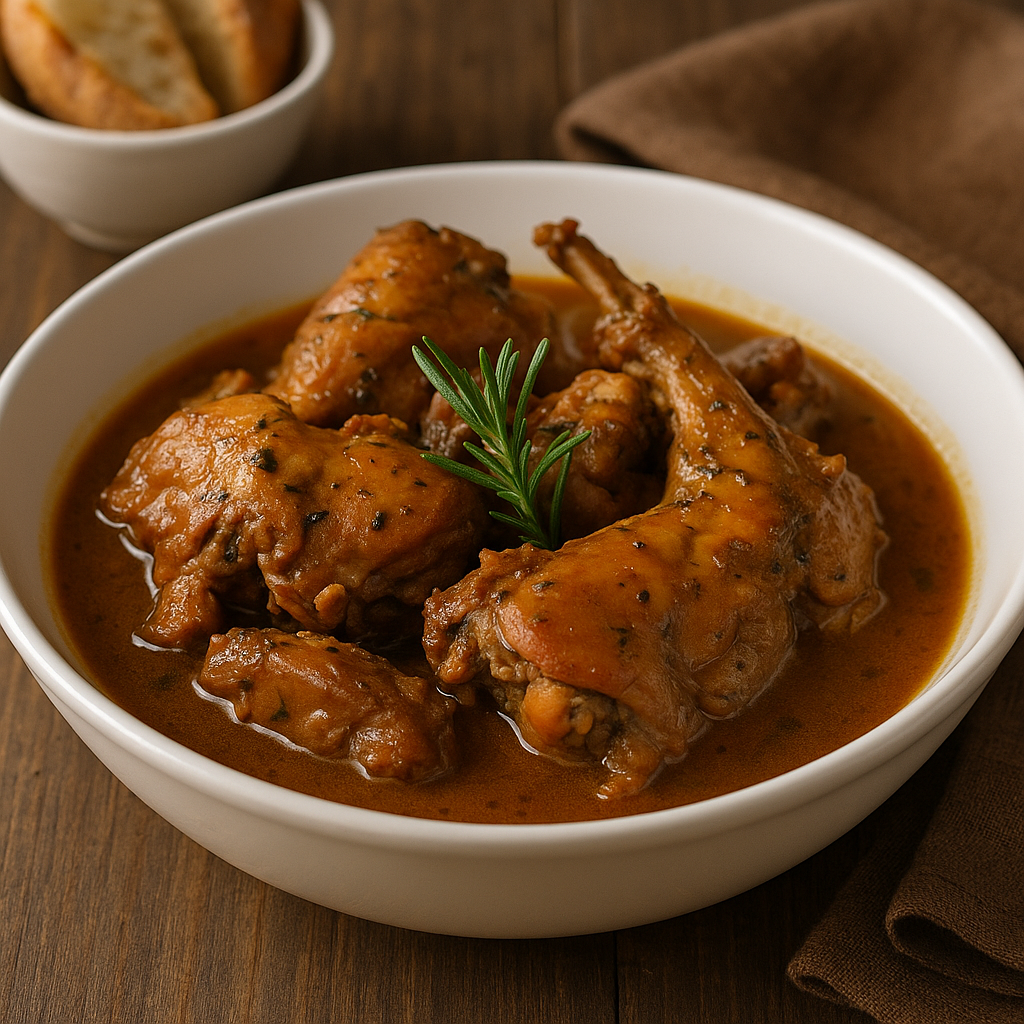
A traditional dish deeply rooted in local gastronomy is the Condumio de Conejo, a fragrant stew made with rabbit, papas bonitas (native potatoes), garlic, oregano, bay leaf, pepper, olive oil, vinegar, and white wine. It is considered one of the emblematic recipes of Icod de los Vinos.
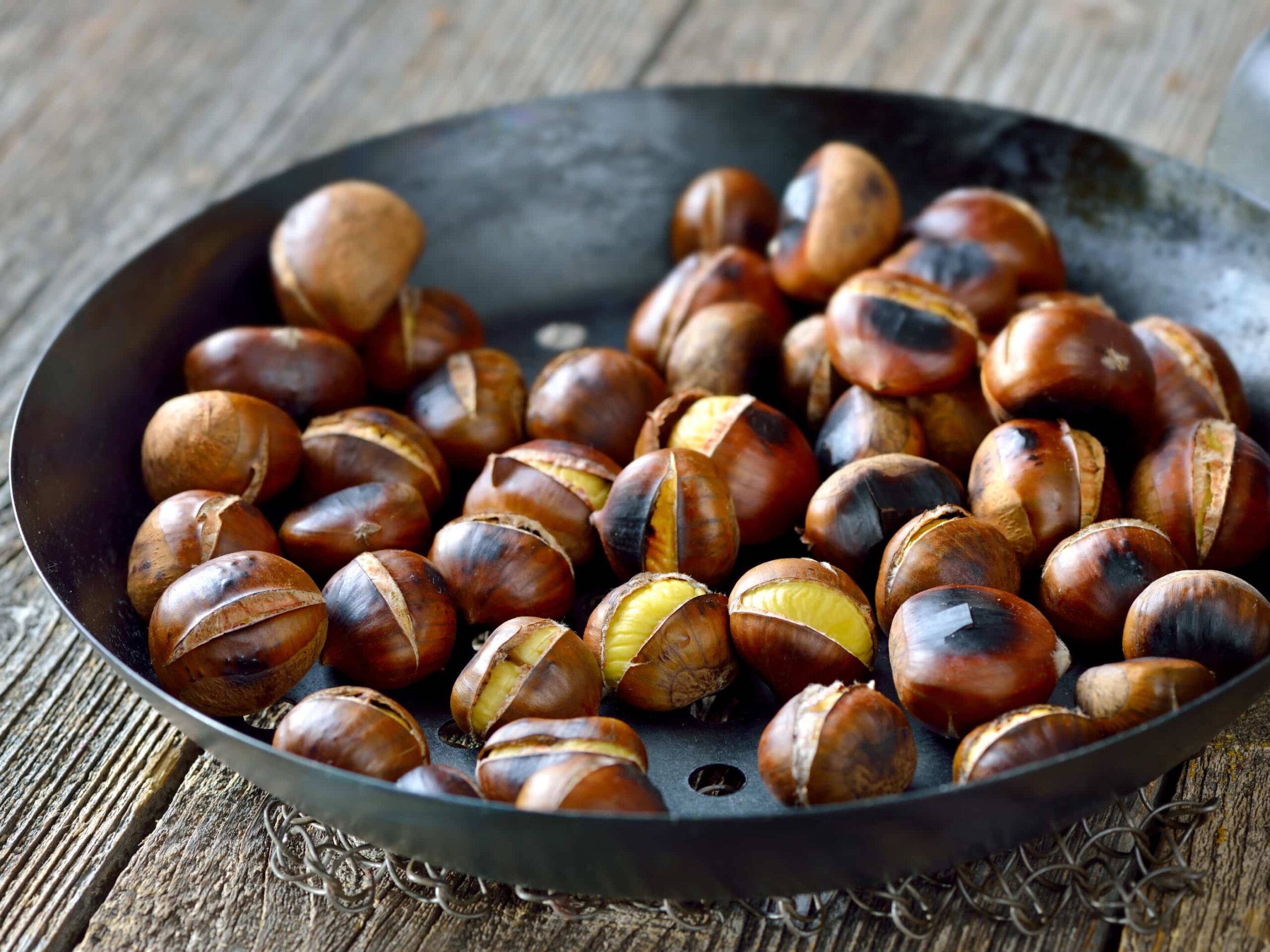
The taste of autumn comes with the roasted chestnuts of San Andrés, celebrated at the end of November. This seasonal fruit from the highlands perfectly accompanies the new wine, creating a joyful and popular atmosphere during one of the town’s most iconic festivities: Las Tablas de San Andrés.
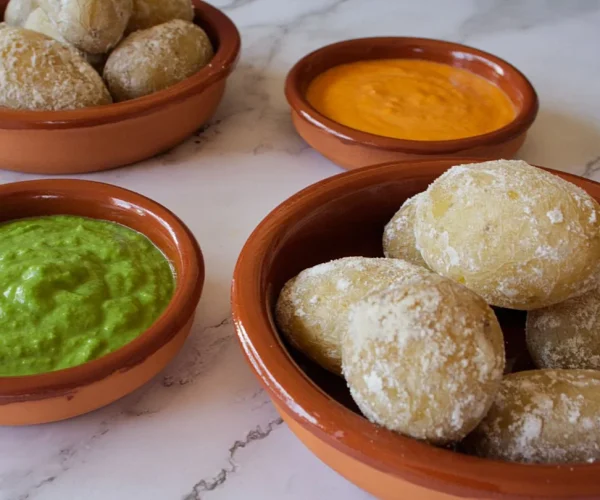
Traditional Canarian cuisine is ever-present in the restaurants and guachinches of Icod de los Vinos. Among the most characteristic ingredients are the papas arrugadas—small, salty-skinned local potatoes such as bonita blanca, bonita colorada, negra yema de huevo, and peluca negra, grown mainly in the fertile terraces and valleys of the island’s northern slopes.
Dryland farming in Tenerife, particularly in the mid-altitude areas (medianías) of Icod de los Vinos, has played a key role in shaping Canarian gastronomy. Since aboriginal times, crops cultivated here have become essential to the local diet.
Exploring Icod de los Vinos also means discovering how this ancestral agriculture remains alive in its terraced landscapes—and how kilometre-zero produce, straight from field to table, has become one of the region’s greatest attractions for food lovers.
Fish also play a starring role in local cuisine. Some of the most prized species include mackerel, jack mackerel (chicharro), sardines, vieja (parrotfish), cherne (wreckfish), sama (sea bream), mero (grouper), and the traditional fried moray eel.
This culinary richness is complemented by a network of small local producers who value and promote proximity products—ranging from artisanal dairies and traditional gofio mills to organic farms and rum distilleries that revive the island’s sugarcane heritage.
The confectionery tradition of Icod de los Vinos also holds a special place within its gastronomic identity. Historic chocolate makers have sweetened the town for generations, offering visitors an authentic taste of local craftsmanship.
Typical desserts such as frangollo (a milk and cornmeal pudding) or truchas de batata and cabello de ángel (sweet turnovers filled with sweet potato or pumpkin jam) are enjoyed all year round, alongside the emblematic Canary Island banana.
All these flavours pair beautifully with the local wines, produced from native grape varieties such as Listán Blanco, Listán Negro, and Malvasía—many of them crafted in small family-run wineries that preserve traditional methods.
In Icod de los Vinos, dining is also about discovering, sharing, and tasting the living history of the Canary Islands.
This culinary richness is complemented by a vibrant network of local shops and initiatives that highlight the value of proximity and sustainability. Among them are artisanal dairy producers dedicated to traditional cheesemaking; family-run gofio mills where grains are still roasted and ground using age-old methods; organic farms that invite visitors to experience sustainable agriculture through guided tours and tastings; and small-scale projects that revive the historic cultivation of sugarcane and the artisanal distillation of rum—bridging the past and present of island culture.
The confectionery tradition of Icod de los Vinos holds a special place within its gastronomic identity. Historic chocolate makers, with recipes passed down through generations, continue to produce handcrafted bars and sweets that have delighted locals for decades, offering visitors an authentic taste of the town’s heritage.
Local gastronomy is also sweetened by traditional desserts such as frangollo (a cornmeal and milk pudding) or truchas de batata and cabello de ángel (sweet pastries filled with sweet potato or pumpkin jam), enjoyed throughout the year. These flavours are beautifully complemented by the iconic Canary Island banana.
All these dishes pair perfectly with local wines made from native grape varieties such as Listán Blanco, Listán Negro, and Malvasía—many of them crafted in small family wineries that preserve the island’s traditional winemaking methods.
In Icod de los Vinos, dining is also an act of discovery, sharing, and tasting the living history of the Canary Islands.
Gastronomic festivals
Throughout the year, visitors can savor this culinary richness at restaurants, wineries, and events such as the Fiesta del Condumio or the Great Wine Festival, where local cuisine comes together with regional wines in a festive and welcoming atmosphere.
If you visit Icod de los Vinos in autumn, don’t miss the San Andrés celebration, when the aroma of roasted chestnuts fills the streets and people toast with young wine in a joyful, popular setting. It’s the perfect time to enjoy a Canarian tradition in its most authentic form.
While the historic town center hosts many of the most popular spots, you’ll also find excellent restaurants in the coastal areas and neighborhoods of Icod de los Vinos. These establishments stand out for their quality and dedication to local cuisine. Local traditions coexist with international options, adding diversity to the culinary experience. Dining in Icod de los Vinos is not just a pleasure — it’s also a way to connect with the area’s cultural identity and surrounding landscape.
All of this, of course, pairs perfectly with the region’s wines, made from local grape varieties such as Listán Blanco, Listán Negro, and Malvasía — many of which are produced in family-run wineries that still use traditional methods.
Sugar Cane in the History of Icod de los Vinos
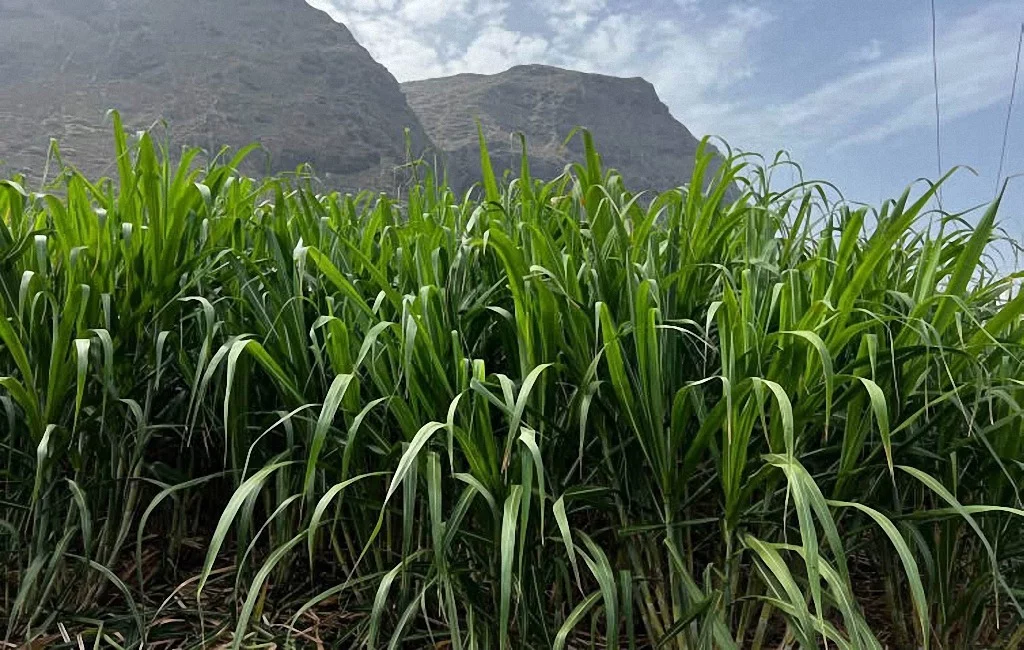
Sugar cane was one of the first crops introduced in Icod de los Vinos after the conquest of Tenerife in the 15th century. Thanks to its mild climate and fertile soil, this crop quickly became a cornerstone of the local economy during the 16th and 17th centuries. Sugar production, destined for both domestic consumption and export, boosted the town’s agricultural and commercial development.
Alongside the cane fields, sugar mills emerged, shaping the rural landscape and the daily life of its inhabitants. Although over time sugar cane lost prominence to other crops such as the vine, it left a lasting mark on the history of Icod de los Vinos —a legacy that is now being revived through guided visits, tourism experiences, and the production of artisanal products such as rum.
Goat Farm. We specialize in producing high-quality goat milk products.
Gofio Mill – Dedicated to the roasting and grinding of cereals. Available varieties: Corn (Millo), Wheat, Mix (Wheat and Corn), 5-Grain Blend (Wheat, Corn, Rye, Barley, and Oats), Spelt, Low-salt Corn (diet-friendly), and Frangollo (Corn and Wheat blend).
Nature and Sustainability in Icod de los Vinos
Finca Mar y Sol is a family-run project in Icod de los Vinos committed to 100% organic farming and environmental respect. It offers guided tours, tastings of zero-kilometer products, sustainable workshops (coming soon), and experiences such as Brunch & Self-Guided Visit, which includes a local breakfast and a self-guided tour around the farm. You can also order your weekly Healthy Box filled with fresh organic products.
Caña y Ron is a company where visitors can experience the historic cultivation of sugarcane, a key part of the island’s economy since the time of the Spanish conquest. Located in Icod de los Vinos, it combines a restored plantation with a handcrafted rum distillery that follows traditional methods.
The guided tours allow visitors to learn about the entire process — from sugarcane cultivation to distillation — promoting awareness of local history, culture, and sustainable practices.
Available Services:
Guided tours through the sugarcane plantation, with explanations of its history and cultivation. Visit to the distillery to discover the artisanal rum-making process. A unique experience that combines agricultural tradition with handcrafted distillation. Product tastings and the opportunity to purchase local souvenirs.
Ecoalpizpa is an ecological beekeeping project born out of a love for bees.
Its main goal is to care for them. To achieve this, they not only tend to the hives, but also promote and share the importance of beekeeping and rural life in preserving the environment and biodiversity — all from an agroecological and land stewardship perspective.
Icod de los Vinos: Land of Winemaking Tradition
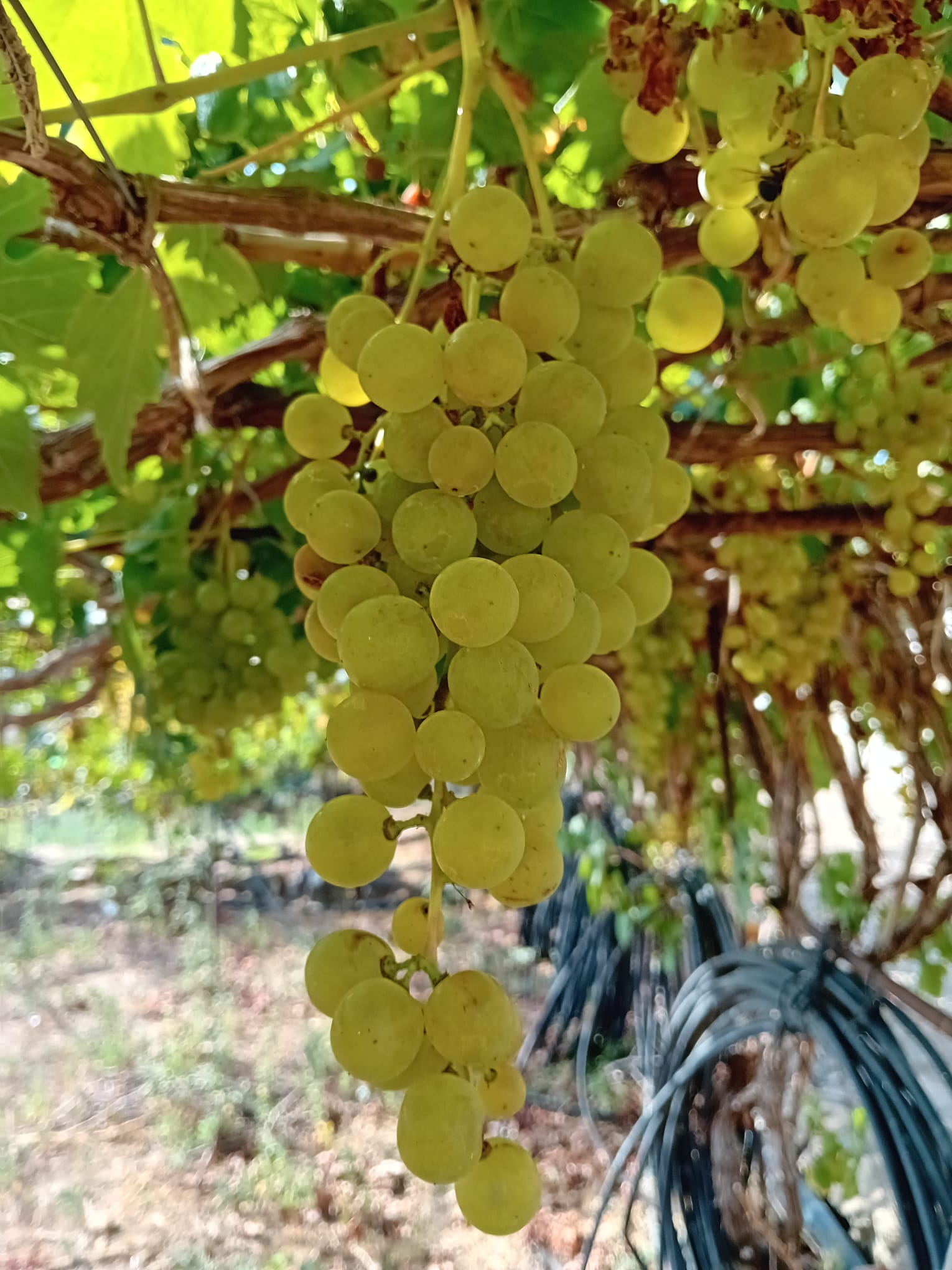
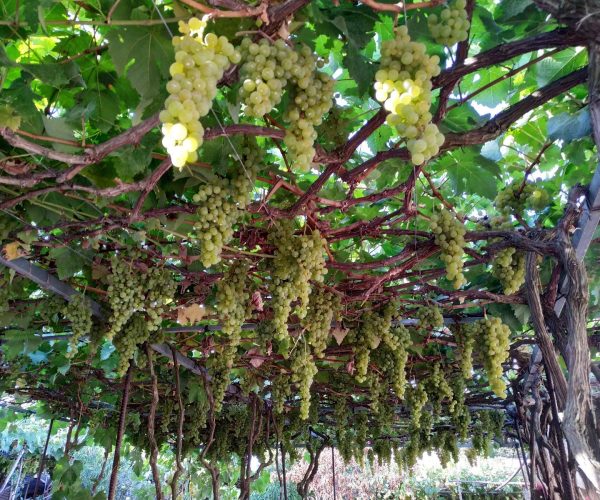
Nestled between volcanic landscapes and Atlantic breezes, Icod de los Vinos is more than just a name—it is an invitation to discover a winemaking culture with centuries of history. Part of the prestigious Ycoden-Daute-Isora Designation of Origin, this municipality in northwestern Tenerife stands out for its terraced vineyards that stretch between 100 and 1,400 meters above sea level, cultivated on unique volcanic soils found nowhere else on Earth.
Thanks to its mild climate, the influence of the trade winds, and traditional techniques such as the distinctive Icod trellis system, the wines produced here are rich in personality, history, and Atlantic character. The local grape varieties —such as Listán Blanco and Listán Negro, Malvasía, and Baboso— give life to wines that captivate the senses and tell the story of the island’s soul.
Visiting Icod de los Vinos means immersing yourself in a living landscape, where every glass connects with the past and celebrates the present of a land that has made wine its finest ambassador.

Climate and Terrain
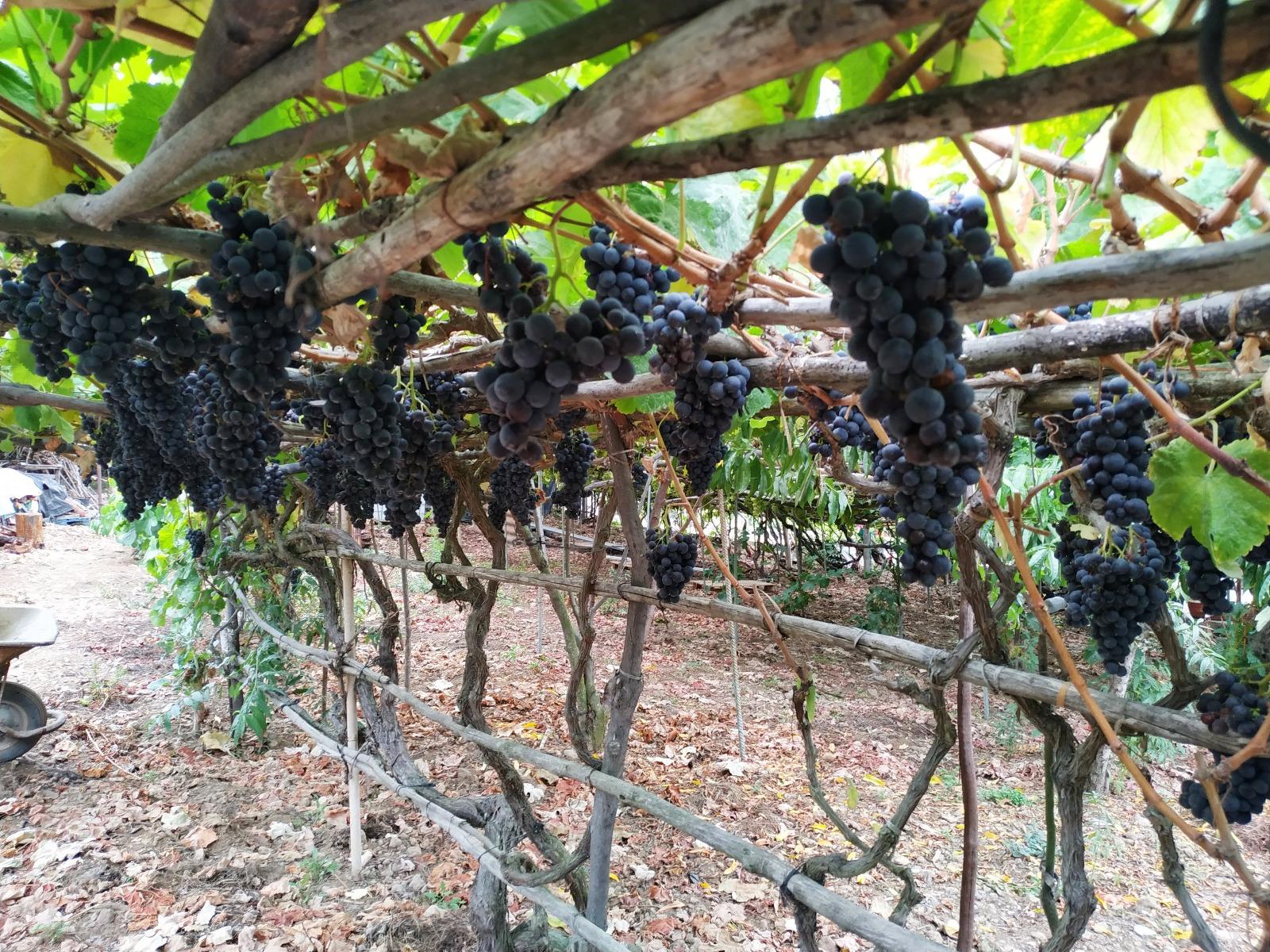
The subtropical climate, with mild average temperatures and moderate rainfall, is influenced by the trade winds and the nearby Atlantic Ocean. These conditions favor a balanced ripening of the grapes. Vineyards are often cultivated on terraces or stone walls adapted to steep terrain, allowing for optimal use of sunlight and water.
A unique feature of this territory is the absence of phylloxera, which allows vines to be planted on their own rootstock, maintaining a purer connection with the soil and its character.
Among the most common cultivation methods, the Icod trellis system stands out for its slanted structure, which allows better ventilation and sun exposure. Other systems such as espalier, cordon, irregular goblet, or ground-level vines are also used, each adapted to the terrain and grape variety.
Cultivated Varieties
The most common grape varieties include Listán Blanco and Listán Negro, along with other native grapes such as Malvasía, Baboso, Vijariego, Negramoll, and Tintilla. These varieties, perfectly adapted to the local climate and volcanic soil, produce wines of great personality and prestige.
Viticulture in Icod de los Vinos is not just an agricultural activity—it is culture, tradition, and a reflection of the island’s landscape and history. Each glass tells a story that begins on these sun-drenched slopes caressed by the trade winds.
OUR WINERIES
In the heart of La Cueva del Viento — one of the most unique areas in northern Tenerife — you’ll find Bodega Javier Pimentel, a winemaking gem that combines over 100 years of history with a strong commitment to innovation.
Now run by Javier Pimentel, who inherited his father’s passion over 40 years ago, this family-owned winery is part of the Ycoden Daute Isora wine region. Here, native grape varieties such as Negramoll, Vijariego, Albillo, and Listán Negro are grown, producing wines renowned for their quality, authenticity, and deep connection to the land.
La Hoya de San Pablo Estate, located 400 meters above sea level, is home to century-old vineyards cultivated using the traditional Parral Alto system, which takes full advantage of the region’s microclimate and volcanic soils. The result: red, dry, and fruity white wines that carry the legacy of generations devoted to the art of viticulture.
On the slopes of La Centinela, in Icod de los Vinos, lies Viña Engracia, a small family winery that has spent over six decades carefully cultivating its vineyards between the sea and the mountains. From altitudes ranging from 90 to 1,150 meters, this volcanic land gives life to wines with soul and character. The winery is named after Engracia, a great-aunt whose story and spirit remain a constant source of inspiration. In every glass, you can taste not only the fruit, but also the memory of its roots.
Although its origins as a family project date back to 1965, it was in 1994 that Viña Engracia officially became part of the Ycoden Daute Isora Denomination of Origin, reinforcing its commitment to quality and traditional viticulture. Today, the winery works exclusively with its own vineyards in Icod de los Vinos, where all harvesting is done by hand, with great care to produce unique and expressive wines.
A must-visit for lovers of Canarian wine, where history, landscape, and flavor come together in a setting that invites you to discover, toast, and return.
Ecological Excellence from Icod de los Vinos
From the slopes of the La Mancha neighborhood in Icod de los Vinos comes Cámbium, the project of winemaker Víctor Rolo, who has taken local viticulture beyond borders. His organic wine,
Cámbium “Las Canales”, made with Listán Blanco grapes, was awarded the Gold Medal at the International Awards Virtus Lisboa 2021.
With limited production and handcrafted care at every stage, this exclusive creation is served in Michelin-starred restaurants. Cámbium represents the best of the new wave of Canarian winemaking: a deep connection to the land, traditional techniques, and uncompromising quality.